
Healthy Foods: Suggestions for Eating Well

Meta Description: Discover practical tips for healthy eating, including nutrient-dense foods, reducing added sugar and sodium, increasing fiber intake, and creating colorful meals for better nutrition and overall well-being.
Primary Keywords: healthy foods, eating well, nutrient-dense foods, healthy eating tips, reduce sugar, increase fiber
Secondary Keywords: whole grains, vegetables, fruits, low sodium, healthy fats, balanced diet
Introduction: The Importance of Healthy Eating
Healthy eating is not just a trend; it’s a foundation for long-term health and vitality. Focusing on whole, nutrient-dense foods helps support energy levels, maintain a healthy weight, and reduce the risk of chronic diseases such as heart disease, diabetes, and obesity. By prioritizing protein, dairy without added sugars, fresh vegetables and fruits, healthy fats, and whole grains, you create meals that nourish your body while satisfying your taste buds.
Nutrition is personal, and healthy eating patterns can be adapted to fit individual preferences, budgets, and lifestyles. The key is to consistently choose foods and beverages that are minimally processed, rich in nutrients, and beneficial for your overall health.
1. Aim for a Variety of Colors on Your Plate
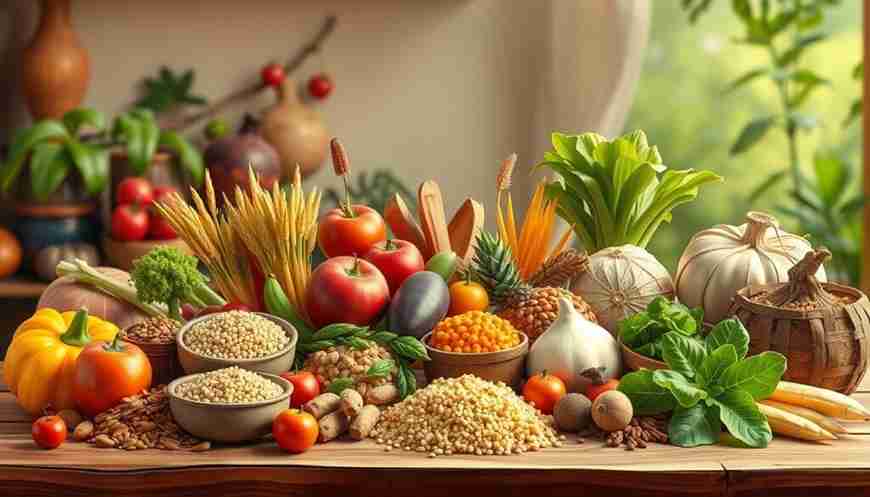
One of the easiest ways to eat healthily is to focus on color. Including a wide variety of colors from fruits, vegetables, and herbs ensures that you are getting a broad spectrum of vitamins, minerals, and antioxidants. Dark leafy greens, bright orange carrots, red tomatoes, and even colorful fresh herbs provide essential nutrients while making meals visually appealing.
To increase the color on your plate, try adding fresh herbs to salads or meat dishes, preparing red sauces using fresh tomatoes and herbs, or adding diced vegetables to stews and omelets. Vegetables like peppers, broccoli, and onions not only enhance the color but also boost nutrient density. For breakfast, consider topping unsweetened yogurt with fresh berries to add both color and vitamins. This approach doesn’t just make meals look attractive—it ensures that you receive a diverse array of nutrients every day.
2. Limit Added Sugars
Consuming too much added sugar is linked to weight gain, type 2 diabetes, obesity, and heart disease. Added sugars are those introduced during processing or preparation, including cane sugar, corn syrup, dextrose, and fructose. Even seemingly “natural” sweeteners like honey or maple syrup are considered added sugars when used in food preparation. Sugary drinks, including sodas and flavored coffees, are a major source of excess sugar in the diet.
To reduce added sugar intake, start by replacing sugary drinks with water. Enhance the flavor by adding slices of lemon, lime, or cucumber. Swap sweetened cereals or yogurt with fresh fruit toppings for natural sweetness. Avoid sugary snacks, and instead, enjoy fruit or vegetable slices as convenient alternatives. When at coffee shops, skip flavored syrups or opt for black coffee. Always read nutrition labels to choose foods with lower or no added sugars. Reducing added sugar improves energy levels, supports healthy weight management, and protects cardiovascular health.
3. Cut Back on Sodium
Excess sodium consumption increases the risk of high blood pressure, heart attack, and stroke. Most sodium in the average diet comes from packaged and processed foods, including breads, pizza, and deli meats. Sodium in food is predominantly derived from salt, which is often added to enhance flavor or preserve products.
To lower sodium intake, prioritize unprocessed foods and cook meals at home using fresh or frozen vegetables. Read nutrition labels carefully to select low-sodium options, and avoid heavily processed convenience foods. Preparing meals from scratch allows you to control the amount of salt, herbs, and spices used, giving meals more natural flavor while protecting heart and kidney health. Over time, reducing sodium can improve blood pressure, enhance heart function, and reduce the risk of chronic disease.
4. Bump Up Fiber Intake
Fiber is essential for digestive health, helps regulate blood sugar levels, lowers cholesterol, and keeps you feeling full for longer periods. High-fiber foods include fruits, vegetables, legumes, nuts, seeds, and whole grains. Incorporating more fiber into your diet not only supports digestion but also reduces the risk of chronic illnesses like heart disease and diabetes.
Practical ways to increase fiber include slicing raw vegetables for quick, nutrient-dense snacks, starting your day with whole-grain cereals like oatmeal, and topping them with berries, pumpkin seeds, or almonds. Adding half a cup of beans or lentils to a salad provides texture, flavor, and additional fiber. Fresh fruit can be enjoyed with meals or as a dessert alternative. Over time, consistently eating fiber-rich foods promotes a healthy gut, sustained energy, and better weight management.
Conclusion: Build Sustainable Healthy Eating Habits

Healthy eating is not about strict restrictions—it’s about making consistent, nutrient-rich choices that support your overall well-being. Focus on colorful, whole foods, limit added sugars and sodium, and prioritize fiber to nourish your body. Simple changes like adding fresh vegetables to meals, swapping sugary drinks for water, and reading labels can have a lasting impact on your health.
By implementing these practices gradually, you’ll develop a balanced, sustainable eating pattern that fuels your body, strengthens your immune system, and enhances your long-term vitality. Remember, eating well is a journey, and every positive choice counts.