
Warning Signs Your Body Is Telling You to Seek Immediate Medical Care
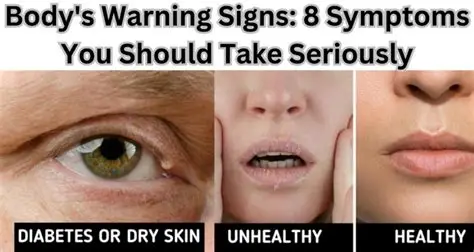
These body signs are warning you that you need immediate health care.
In daily life, it’s easy to ignore unusual symptoms and hope they go away on their own. However, your body often sends clear warning signals when something is seriously wrong. Recognizing these signs early can make the difference between quick recovery and life-threatening complications.
This guide will help you identify critical symptoms that require immediate medical attention—and what to do if they happen.
Why Recognizing Emergency Symptoms Matters
Medical emergencies can happen suddenly and escalate quickly. Acting fast can:
- Prevent complications
- Reduce long-term damage
- Save lives
The key is knowing when a symptom is not normal and requires urgent care.
9 Body Warning Signs You Should Never Ignore
1. Chest Pain or Pressure
Persistent chest pain or tightness may indicate a heart attack.
Common symptoms include:
- Pressure or squeezing in the chest
- Pain spreading to the arm, neck, or jaw
- Shortness of breath
- Nausea or cold sweats
What to do: Call emergency services immediately.
2. Sudden Weakness or Difficulty Speaking
These are classic signs of a stroke, which requires immediate intervention.
Watch for:
- Numbness on one side of the body
- Slurred or confused speech
- Sudden vision problems
- Loss of balance
What to do: Act FAST and seek emergency care right away.
3. Severe Allergic Reaction (Anaphylaxis)
Anaphylaxis is a life-threatening condition that can escalate within minutes.
Symptoms include:
- Swelling of the face, lips, or throat
- Difficulty breathing
- Rapid or weak pulse
- Dizziness or fainting
What to do: Use an epinephrine injector (if available) and call for help immediately.
4. Difficulty Breathing or Choking
Breathing problems are always a medical emergency.
Signs to watch for:
- Inability to speak or breathe
- Wheezing or gasping
- Clutching the throat
What to do: Perform first aid (like the Heimlich maneuver) and call emergency services.
5. Uncontrolled Bleeding
Heavy bleeding can quickly become life-threatening.
Warning signs:
- Blood that doesn’t stop flowing
- Signs of shock (pale skin, rapid pulse, confusion)
What to do: Apply firm pressure to the wound and seek urgent medical help.
6. Seizures or Loss of Consciousness
Seizures may be caused by neurological issues, infections, or injuries.
Symptoms include:
- Uncontrollable shaking
- Loss of awareness
- Confusion after the episode
What to do: Ensure safety, do not restrain the person, and call for medical assistance if it lasts longer than 5 minutes.
7. Severe Burns or Injuries
Serious burns or trauma require immediate evaluation.
Look for:
- Blistered or charred skin
- Deep wounds or broken bones
- Head or spinal injuries
What to do: Cool burns with water (not ice) and seek emergency care.
8. Signs of Poisoning
Exposure to toxic substances can be life-threatening.
Symptoms vary but may include:
- Nausea or vomiting
- Confusion or dizziness
- Difficulty breathing
What to do: Contact emergency services or a poison control center immediately.
9. Sudden Confusion or Mental Changes
A sudden change in mental state is a serious red flag.
Warning signs:
- Disorientation
- Memory loss
- Difficulty understanding or responding
What to do: Seek urgent medical attention, as this may indicate stroke, infection, or brain injury.
How to Respond in a Medical Emergency
If you encounter any of these warning signs, follow these steps:
1. Assess the Situation
Ensure the environment is safe for both you and the person in need.
2. Call for Help Immediately
Contact emergency services without delay.
3. Provide First Aid (If Trained)
Basic first aid or CPR can stabilize the situation until professionals arrive.
4. Monitor the Person
Keep track of symptoms and be ready to act if the condition worsens.
5. Communicate Clearly
Provide accurate information to medical responders when they arrive.
When Should You Seek Immediate Medical Help?
Do not hesitate to get professional help if you notice:
- Chest pain or breathing difficulty
- Severe bleeding
- Loss of consciousness
- Suspected stroke or heart attack
- Seizures lasting more than 5 minutes
- Serious injuries or burns
Be Prepared: Simple Steps That Can Save Lives
Preparation is just as important as recognition.
- Learn CPR and first aid
- Keep an emergency kit at home
- Save important emergency numbers
- Discuss emergency plans with family
Being prepared helps you respond quickly and confidently in critical situations.
Conclusion: Listen to Your Body—It Could Save Your Life

Your body often gives early warning signs before a serious medical event occurs. Ignoring them can be dangerous, but recognizing them and acting quickly can save lives.
You don’t need to be a medical professional to make a difference. Staying aware, calm, and prepared can help you protect yourself and those around you.
If something feels seriously wrong—trust your instincts and seek help immediately.