

Healthy Lifestyle for Longevity: Proven Strategies to Live Longer and Better
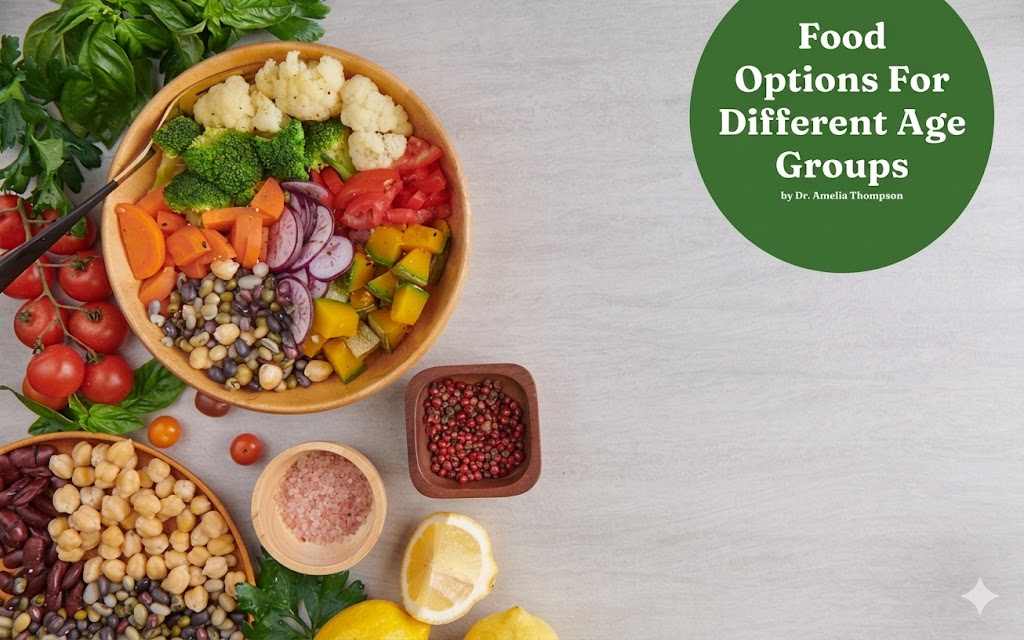
A healthy lifestyle helps improve long-term health.
Living a long life is a goal many people share—but true longevity is not just about adding years to your life. It’s about adding quality, energy, and vitality to those years.
While genetics play a role, research shows that lifestyle choices are the most powerful factor in determining how long—and how well—you live.
In this guide, you’ll discover science-backed strategies to build a healthy lifestyle that supports long-term health and longevity.
What Is Longevity and Why Does It Matter?
Longevity simply means living a long life, but modern health science emphasizes something more important: healthy longevity.
Today, average life expectancy has increased significantly compared to the past. However, living longer doesn’t automatically mean living better. The goal is to:
- Stay active and independent
- Maintain physical and mental health
- Enjoy life without chronic disease
Experts estimate that only about 25% of lifespan is determined by genetics, while the remaining 75% is influenced by lifestyle habits.
How a Healthy Lifestyle Improves Long-Term Health
Your daily habits directly affect your body at the cellular level. Over time, these habits either:
- Protect your cells and slow aging
- Or accelerate damage and increase disease risk
A healthy lifestyle helps:
- Strengthen the immune system
- Reduce inflammation
- Improve metabolism
- Prevent chronic diseases like heart disease, diabetes, and obesity
1. Nutrition: The Foundation of Longevity
What you eat plays a crucial role in how your body functions and ages.
Why Healthy Eating Matters
Nutritious foods:
- Provide energy for daily activities
- Support cell repair and regeneration
- Protect against disease through antioxidants
Unhealthy diets high in sugar, processed foods, and bad fats can lead to:
- Chronic inflammation
- Weakened immunity
- Increased risk of serious illnesses
The Best Diet for Longevity
One of the most effective approaches is a plant-based diet, which focuses on:
- Fruits and vegetables
- Whole grains
- Nuts and seeds
- Legumes
- Healthy fats
This type of diet is rich in antioxidants like vitamins A, C, and E, which help protect your cells from damage.
You don’t need to eliminate meat completely—just prioritize whole, minimally processed foods.
2. Exercise: A Key to a Longer Life
Regular physical activity is one of the most powerful tools for extending lifespan.
Benefits of Exercise
- Improves heart and lung health
- Strengthens muscles and bones
- Enhances balance and mobility
- Reduces risk of chronic diseases
- Boosts mood and mental health
How Much Exercise Do You Need?
Health guidelines recommend:
- 150 minutes of moderate activity per week, or
- 75 minutes of vigorous activity, or
- A combination of both
Examples include:
- Walking, jogging, or cycling
- Strength training
- Swimming
- Even daily activities like cleaning or gardening
The key is simple: move more, sit less.
3. Maintain a Healthy Weight
A balanced weight reduces the risk of many chronic diseases, including:
- Heart disease
- Type 2 diabetes
- Joint problems
Instead of focusing on extreme diets, aim for sustainable habits like balanced meals and regular exercise.
4. Essential Lifestyle Habits for Longevity
Beyond diet and exercise, several daily habits have a major impact on long-term health.
Don’t Smoke
Smoking is one of the leading causes of preventable death. Quitting can significantly improve your lifespan and overall health.
Limit Alcohol Intake
Excessive alcohol consumption increases the risk of:
- Liver disease
- Cancer
- Mental health issues
Moderation is key—or avoiding alcohol altogether for optimal health.
Get Quality Sleep
Sleep is critical for recovery and long-term health.
Aim for 7–9 hours per night to:
- Support brain function
- Regulate hormones
- Reduce disease risk
Stay Hydrated
Proper hydration supports:
- Organ function
- Energy levels
- Metabolism
Studies show that well-hydrated individuals tend to have better health outcomes and longer lifespans.
Stay Socially Connected
Strong social relationships are linked to longer life and better mental health.
- Spend time with family and friends
- Engage in community activities
- Build meaningful connections
Maintain a Positive Mindset
Your mental outlook can influence your physical health.
Optimism has been associated with:
- Lower stress levels
- Better emotional health
- Increased lifespan
The Long-Term Impact of Healthy Habits
One of the most powerful aspects of a healthy lifestyle is the compounding effect.
Small daily habits—like eating better, moving more, and sleeping well—add up over time to create:
- Stronger physical health
- Better mental well-being
- Increased longevity
Conclusion: Live Longer by Living Better

Longevity is not just about genetics—it’s about the choices you make every day.
By focusing on:
- Balanced nutrition
- Regular exercise
- Quality sleep
- Healthy habits
…you can significantly improve both your lifespan and your quality of life.
You don’t need to change everything overnight. Start small, stay consistent, and build habits that support your health for years to come.
A healthier lifestyle today is an investment in a longer, better life tomorrow.