
What Is Balanced Nutrition? A Complete Beginner’s Guide to Healthy Eating
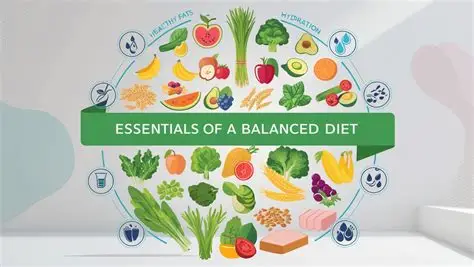
What is balanced nutrition? A detailed guide for beginners.
Balanced nutrition is the foundation of a healthy lifestyle. Whether your goal is to boost energy, maintain a healthy weight, or improve overall well-being, understanding how to nourish your body properly is essential. In this beginner-friendly guide, you’ll learn what balanced nutrition really means, why it matters, and how to apply it to your daily life.
What Is Balanced Nutrition?
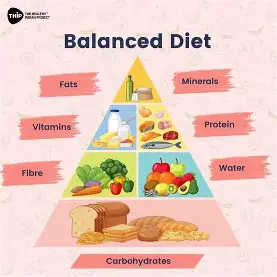
Balanced nutrition refers to eating a variety of foods in the right proportions to provide your body with all the essential nutrients it needs to function effectively. These nutrients include:
- Proteins – Support tissue growth and repair
- Carbohydrates – Provide energy for daily activities
- Fats – Aid in cell function and hormone production
- Vitamins and minerals – Regulate body processes
- Water – Essential for hydration and nutrient transport
A balanced diet ensures your body gets everything it needs to perform at its best—both physically and mentally.
Why Is Balanced Nutrition Important?
1. Supports Overall Health
Eating a well-balanced diet helps reduce the risk of chronic conditions like heart disease, diabetes, and high blood pressure.
2. Boosts Energy Levels
When your body receives the right nutrients, it maintains steady energy levels throughout the day without crashes.
3. Helps Maintain a Healthy Weight
Balanced nutrition encourages portion control and healthier food choices, making it easier to manage your weight.
4. Improves Mental Well-being
Nutrient-rich foods support brain function, mood stability, and cognitive performance.
Key Components of a Balanced Diet
1. Protein: The Building Block of the Body
Protein is essential for muscle repair, immune function, and overall growth.
Healthy sources include:
- Lean meats like chicken and fish
- Eggs and dairy products
- Beans, lentils, and legumes
- Nuts and seeds
2. Carbohydrates: Your Main Energy Source
Carbohydrates fuel your body and brain, but choosing the right type is crucial.
Focus on complex carbs such as:
- Whole grains (brown rice, oats, quinoa)
- Fruits and vegetables
- Legumes
Avoid excessive refined sugars and processed foods that can cause energy spikes and crashes.
3. Healthy Fats: Essential for Vital Functions
Fats are important for absorbing vitamins and supporting heart and brain health.
Best sources of healthy fats:
- Avocados
- Olive oil
- Nuts and seeds
- Fatty fish like salmon
4. Vitamins and Minerals: Micronutrients That Matter
These nutrients play a key role in immune support, bone health, and overall body regulation.
Include foods like:
- Leafy greens (spinach, kale)
- Citrus fruits (oranges, lemons)
- Nuts and seeds
- Colorful vegetables
5. Water: The Most Overlooked Nutrient
Water is vital for digestion, circulation, and temperature regulation.
Tip: Aim for about 6–8 glasses of water daily, adjusting based on activity level and climate.
How to Start a Balanced Diet (Simple Tips)
Adopting balanced nutrition doesn’t have to be complicated. Start with these practical steps:
Plan Your Meals
Prepare meals in advance to ensure a good mix of nutrients in every dish.
Control Portion Sizes
Eat mindfully and avoid overeating by listening to your body’s hunger signals.
Choose Healthy Snacks
Swap processed snacks for fruits, yogurt, or a handful of nuts.
Cook More at Home
Home-cooked meals give you better control over ingredients and nutrition.
Stay Consistent
Consistency matters more than perfection—small daily habits lead to long-term results.
Common Mistakes to Avoid
- Skipping meals or extreme dieting
- Eliminating entire food groups without medical advice
- Relying heavily on processed or fast foods
- Ignoring hydration
Balanced nutrition is about moderation—not restriction.
Final Thoughts
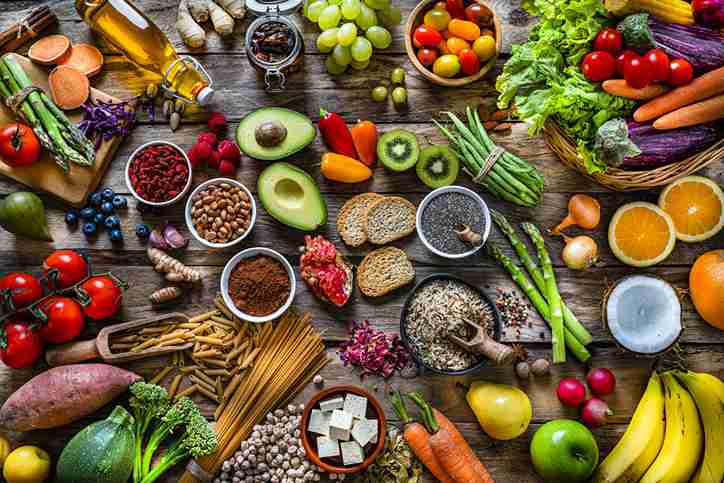
Understanding balanced nutrition is the first step toward a healthier, more energetic life. By including a variety of nutrient-rich foods and maintaining consistent habits, you can support your body’s needs and improve your long-term health.
Remember, you don’t need to be perfect—just start small, stay consistent, and build healthier eating habits over time.