
The Journey of Food: From Farm to Your Table
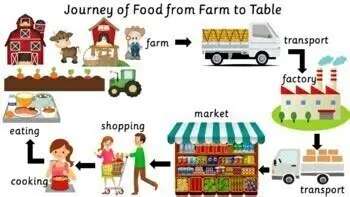
The journey of food: From farm to your table
Every meal you eat has a story. Before it reaches your plate, your food goes through a long and fascinating journey—from the hands of farmers to markets, restaurants, and finally, your table. Understanding this “farm to table” journey helps us appreciate our food more, make healthier choices, and support more sustainable food systems.
In this article, we’ll explore how food is grown, processed, transported, and enjoyed—and why this journey matters for your health, your community, and the planet.
1. The Beginning: Life on the Farm
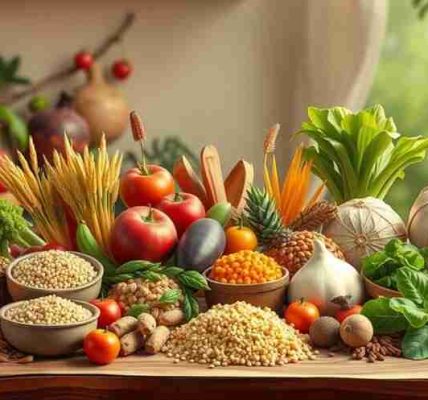
Every piece of food starts with farmers who dedicate their lives to growing crops and raising animals. Whether it’s a small family farm or a large agricultural operation, the process begins with:
- Planting seeds
- Caring for soil quality
- Watering and nurturing crops
- Raising livestock responsibly
Farmers often use knowledge passed down through generations, combining tradition with modern techniques to produce high-quality, nutritious food.
2. Sustainable Farming Practices
Today, many farms are moving toward more sustainable methods that protect both the environment and future food production.
Common practices include:
- Crop rotation to maintain soil fertility
- Organic farming to reduce chemical use
- Natural pest control methods
- Biodiversity-friendly agriculture
These practices help preserve natural resources, improve soil health, and reduce environmental impact. Supporting such farms contributes to a healthier planet and a more responsible food system.
3. Harvesting and Processing
When crops reach peak ripeness, they are carefully harvested to ensure maximum freshness and flavor. For animal-based foods, ethical treatment and humane handling are essential throughout the entire process.
After harvesting, food is typically:
- Washed and cleaned
- Sorted and graded
- Packaged for distribution
The goal is to preserve freshness while maintaining strict safety and quality standards.
4. Transportation and Distribution
Once processed, food is transported to different destinations such as grocery stores, restaurants, and local markets.
This stage requires careful coordination to ensure food remains fresh and safe. Many local farms also sell directly to consumers through:
- Farmers’ markets
- Community-supported agriculture (CSA) programs
- Local grocery stores
Buying locally reduces transportation distance, lowers carbon emissions, and supports local economies.
5. The Market: Where Food Meets People
Markets are where food connects directly with consumers. This includes supermarkets, local co-ops, farmers’ markets, and restaurants.
At farmers’ markets, consumers can:
- Meet the growers
- Learn about farming methods
- Buy fresh, seasonal produce
Restaurants also play a key role in the farm-to-table movement by sourcing ingredients directly from local farms, ensuring freshness and quality in every dish.
6. At Your Table: The Final Destination
The journey ends at your table, where food becomes nourishment, comfort, and connection.
Whether you’re cooking at home or dining out, every bite reflects the effort of farmers, transporters, and producers who made it possible.
Choosing farm-to-table foods often means:
- Fresher ingredients
- Better flavor
- Higher nutritional value
7. Why the Farm-to-Table Journey Matters
Understanding where your food comes from has a powerful impact beyond your plate.
Health Benefits
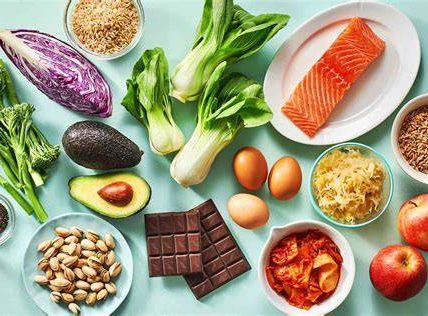
Fresh, minimally processed foods often contain more nutrients and fewer additives.
Environmental Benefits
Local sourcing reduces transportation emissions and supports sustainable farming.
Community Support
Buying local strengthens farmers’ livelihoods and boosts regional economies.
Transparency
Knowing the source of your food builds trust and encourages responsible production practices.
8. Making Better Food Choices
You don’t need to change everything overnight. Small steps can make a big difference:
- Buy from local farmers’ markets when possible
- Choose seasonal produce
- Support farms that use sustainable practices
- Cook more meals at home using fresh ingredients
These simple habits help you reconnect with your food and the people who produce it.
Conclusion: Appreciate the Journey Behind Every Meal
The journey of food from farm to table is a story of care, dedication, and connection. From the soil where it begins to the meal you enjoy, every step plays an important role in shaping the quality of your food.
By understanding and valuing this journey, you not only make healthier choices but also support a more sustainable and ethical food system.
So next time you sit down for a meal, take a moment to appreciate where it came from—and the journey it took to reach you.