

Food and Health: How Countries Eat to Live Longer

Food and Health: How Countries Eat to Live Longer
What if living longer didn’t depend on strict diets or complicated rules—but instead on simple, everyday food habits? Around the world, some of the longest-living populations follow natural, balanced eating patterns that support health, energy, and longevity.
These cultural food habits for longevity are not trends or quick fixes. They are traditional ways of eating shaped by generations of experience, showing that small, consistent choices can have a powerful impact on long-term health.
In this article, we explore how different cultures eat to live longer—and what we can learn from them.
1. Plant-Based Diets (Okinawa, Japan)
Okinawa is one of the world’s famous “Blue Zones,” where people live exceptionally long lives. Their traditional diet is mostly plant-based, centered on:
- Leafy green vegetables
- Sweet potatoes
- Seaweed
- Soy products like tofu
Meat and processed foods are eaten only occasionally.
Why it supports longevity:
This diet is rich in fiber, antioxidants, vitamins, and minerals while being low in calories. It helps reduce inflammation, supports healthy weight, and lowers the risk of chronic diseases such as heart disease and diabetes.
2. Moderate Portion Sizes (Mediterranean Region)
In Mediterranean cultures, meals are naturally smaller and more balanced. People eat slowly, enjoy their food, and stop when they are satisfied.
Key habits include:
- Smaller portion sizes
- Slow, mindful eating
- Balanced food variety
Health benefits:
This helps prevent overeating, supports digestion, and reduces the risk of obesity and metabolic diseases. Combined with active lifestyles and social meals, it promotes long-term well-being.
3. Regular Fermented Foods (Korea & Japan)
Fermented foods such as kimchi, miso, and natto are daily staples in East Asian diets.
Why they matter:
- Improve gut health
- Support immune function
- Enhance nutrient absorption
- Reduce inflammation
A healthy gut microbiome plays a key role in digestion and overall longevity, making fermented foods a powerful dietary habit.
4. Daily Olive Oil Consumption (Mediterranean Diet)
Olive oil is a central ingredient in Mediterranean cooking and is used daily in meals and dressings.
Benefits:
- Rich in healthy monounsaturated fats
- Supports heart health
- Reduces bad cholesterol
- Contains powerful antioxidants
Regular olive oil intake is linked to better cardiovascular health and improved brain function as people age.
5. High Consumption of Legumes (Loma Linda, USA)
In Loma Linda, California—home to a long-living community—beans, lentils, and chickpeas are dietary staples.
Why legumes are important:
- High in plant-based protein and fiber
- Support stable blood sugar
- Lower cholesterol levels
- Promote gut health
This plant-focused diet significantly reduces the risk of diabetes, obesity, and heart disease.
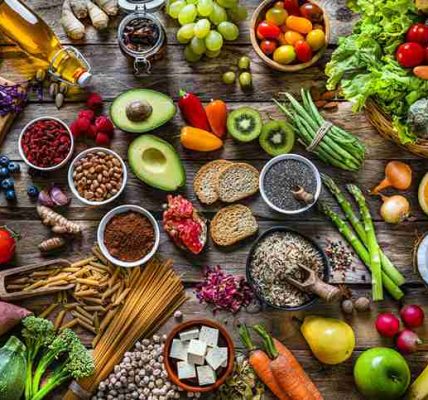
6. Whole, Minimally Processed Foods (Blue Zones Worldwide)
Longevity regions across the world share one key habit: eating whole, natural foods.
Typical foods include:
- Fruits and vegetables
- Whole grains
- Nuts and seeds
Benefits:
- Better digestion
- Stable energy levels
- Reduced inflammation
- Lower exposure to harmful additives
7. Low Meat Consumption (Various Cultures)
Many long-lived populations eat meat only occasionally and rely more on plant-based proteins and fish.
Impact on health:
- Reduced saturated fat intake
- Lower risk of heart disease
- Decreased inflammation
- Improved metabolic health
Balanced, plant-forward diets are strongly linked to longer life expectancy.
8. Herbs and Spices (India & Mediterranean Region)
Traditional diets often include herbs and spices such as:
- Turmeric
- Garlic
- Ginger
- Rosemary
Health benefits:
- Strong anti-inflammatory properties
- Antioxidant protection
- Improved digestion
- Immune system support
These natural ingredients enhance both flavor and nutritional value.
9. Green Tea Consumption (China & Japan)
Green tea is a daily ritual in many East Asian cultures.
Why it’s beneficial:
- Rich in antioxidants (polyphenols)
- Supports heart health
- May improve brain function
- Helps reduce inflammation
It provides gentle energy and hydration while protecting against age-related diseases.
10. Social and Communal Eating (Mediterranean & Latin America)
Sharing meals with family and friends is a deeply rooted tradition in many long-living cultures.
Benefits of eating together:
- Encourages slower eating
- Reduces stress
- Improves emotional well-being
- Strengthens social connections
Social interaction during meals contributes significantly to both mental and physical health.
Key Lessons from Longevity Cultures
Across all these regions, a clear pattern emerges:
- Eat more plant-based foods
- Choose whole, natural ingredients
- Practice moderation in portion sizes
- Eat slowly and mindfully
- Value social connection during meals
These habits are not restrictive—they are sustainable, enjoyable, and deeply rooted in culture.
Conclusion
The secret to living longer isn’t found in complicated diets or strict rules. It is found in simple, consistent habits practiced daily by cultures around the world.
By eating more plants, choosing whole foods, and enjoying meals with others, you can naturally support your health and longevity.
Start small. One habit at a time. Over time, these small changes can lead to a longer, healthier, and more vibrant life.