
Eat Less, Get More: The Art of a Minimalist Healthy Diet for Better Nutrition
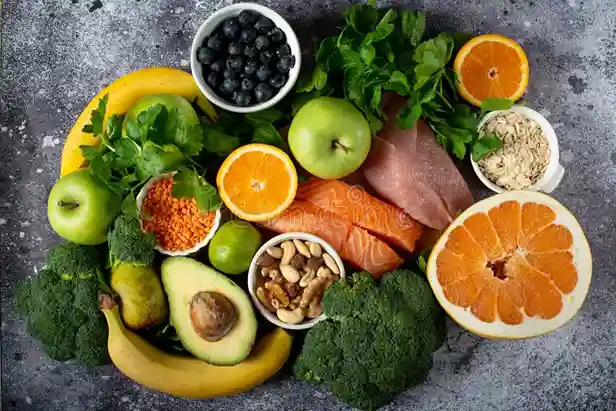
Eat less, but get enough nutrients: The art of minimalism in food choices.
Introduction: Why Less Food Can Mean Better Health
In a world overflowing with food choices, many people find themselves asking a simple question: “Do I really need all of this?”
A minimalist healthy diet offers a refreshing answer. Instead of focusing on variety for its own sake, it emphasizes eating fewer, simpler foods—while still getting all essential nutrients.
This approach is not about restriction or deprivation. It is about clarity, quality, and intention—choosing foods that nourish the body efficiently and sustainably.
What Is a Minimalist Healthy Diet?
A minimalist diet is built on one core principle: simplicity.
It focuses on:
- Whole, unprocessed foods
- Nutrient-dense ingredients
- Reduced food complexity
- Intentional eating habits
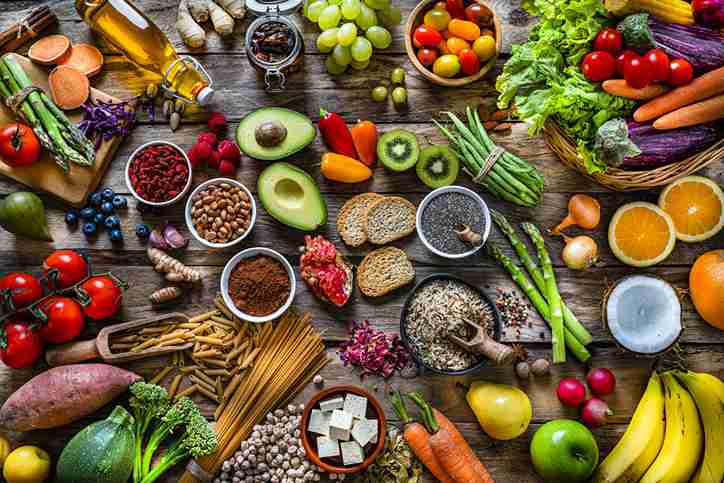
Rather than filling your pantry with dozens of processed products, you build meals around a few high-quality ingredients such as vegetables, whole grains, legumes, lean proteins, and healthy fats.
This approach encourages the idea that “less is more”—not in quantity of nutrition, but in unnecessary food complexity.
Key Benefits of Eating Less but Getting Enough Nutrients
1. Reduced Decision Fatigue
Fewer food choices mean less stress when planning meals or grocery shopping.
2. Higher Nutrient Density
Whole foods like fruits, vegetables, and grains provide more vitamins and minerals per calorie.
3. Better Digestion
A simpler diet reduces exposure to additives and ultra-processed ingredients that may burden digestion.
4. Easier Weight Management
Minimal processed foods naturally reduce excess sugar, fats, and hidden calories.
5. Improved Mental Clarity
Balanced whole-food diets are linked to better mood and lower stress levels.
6. Lower Environmental Impact
Eating fewer processed foods often supports more sustainable food systems.
7. Budget-Friendly Eating
Basic whole foods are often more affordable than packaged or processed alternatives.
8. More Mindful Eating
Simplicity helps you become more aware of hunger, fullness, and food quality.
9. Greater Appreciation of Food
When you eat less variety but higher quality, you enjoy food more deeply.
The Science-Aligned Approach: Which Diet Fits Minimalism Best?
Many diets exist—keto, paleo, vegan, carnivore—but not all align with simplicity.
One dietary pattern that strongly supports minimalist principles is the Mediterranean diet.
Why it stands out:
- Focuses on whole, unprocessed foods
- Encourages simple, balanced meals
- Includes healthy fats like olive oil
- Promotes shared meals and mindful eating
Research consistently links it to:
- Heart health
- Brain function
- Longevity
- Lower risk of chronic disease
While not the only healthy diet, it is one of the closest matches to minimalist nutrition principles because it combines simplicity + sustainability + scientific evidence.
9 Smart Ways to Cook with Fewer Ingredients
Minimalist eating also applies to the kitchen. Cooking simple meals does not mean sacrificing flavor or nutrition.
1. One-Pot Meals
Soups, stews, and grain bowls reduce cooking time and cleanup.
2. Multi-Use Ingredients
Eggs, beans, yogurt, and tofu can be used across multiple meals.
3. Use Herbs and Spices
Garlic, turmeric, and rosemary transform simple dishes into flavorful meals.
4. Batch Cooking
Prepare meals in advance to save time and energy.
5. Simple Protein Options
Grilled chicken, fish, or legumes work in multiple dishes.
6. Quick-Cooking Grains
Quinoa, couscous, and oats simplify meal prep.
7. Frozen Produce
Nutritious, convenient, and reduces food waste.
8. Versatile Staples
Greek yogurt or olive oil can be used in both savory and sweet dishes.
9. Meal Planning
Planning ahead prevents overbuying and food waste.
Why Mindful Eating Completes the Minimalist Diet
Minimalism is not only about what you eat—it is also about how you eat.
Mindful eating means:
- Eating slowly
- Paying attention to hunger signals
- Savoring each bite
- Avoiding distractions
Benefits include:
- Better digestion
- Reduced overeating
- Greater food satisfaction
- Stronger emotional awareness
When combined with a minimalist diet, mindful eating helps transform meals into a more intentional and fulfilling experience.
Challenges of a Minimalist Diet (and How to Handle Them)
While powerful, this approach comes with challenges:
Limited variety
Solution: rotate seasonal foods regularly.
Social pressure
Solution: allow flexibility during social meals.
Nutritional balance
Solution: ensure meals include all major food groups.
Taste fatigue
Solution: use spices and cooking techniques creatively.
Learning curve
Solution: start small and simplify gradually.
The goal is not perfection, but sustainable simplicity.
Final Thoughts: Simplicity Is the Future of Healthy Eating
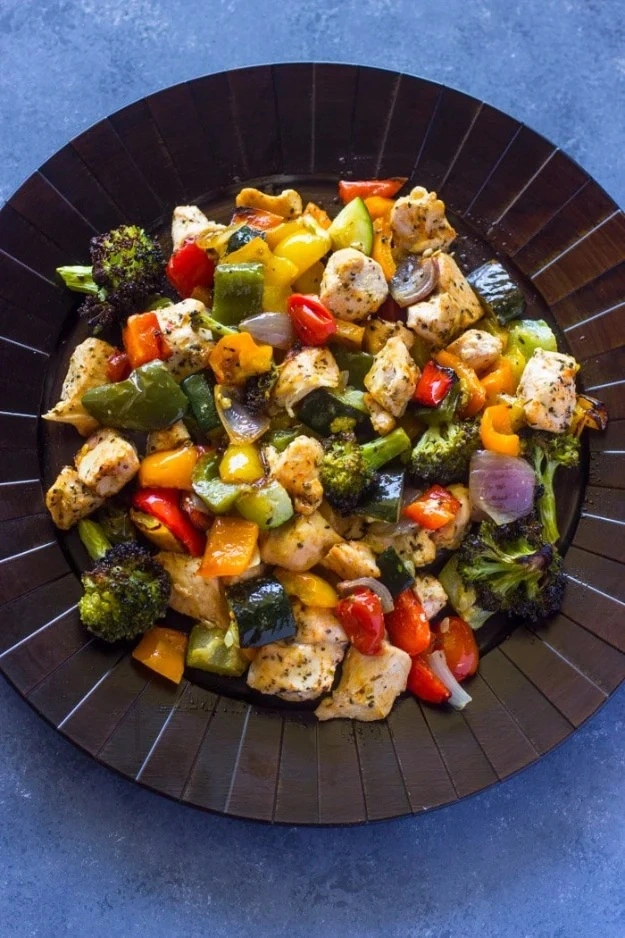
A minimalist healthy diet is not about eating less for the sake of restriction. It is about eating better, cleaner, and more intentionally.
By focusing on whole foods, reducing unnecessary complexity, and eating mindfully, you create a lifestyle that supports:
- Better physical health
- Stronger mental clarity
- Easier daily routines
- Long-term sustainability
In a world of overwhelming food choices, simplicity may be the most powerful nutrition strategy of all.
Eat less noise. Eat more nourishment. Live more fully.