
24 Foods That Seem Healthy But Can Be Misleading: What You Need to Know for Smarter Eating
Introduction: Not All “Healthy Foods” Are What They Seem
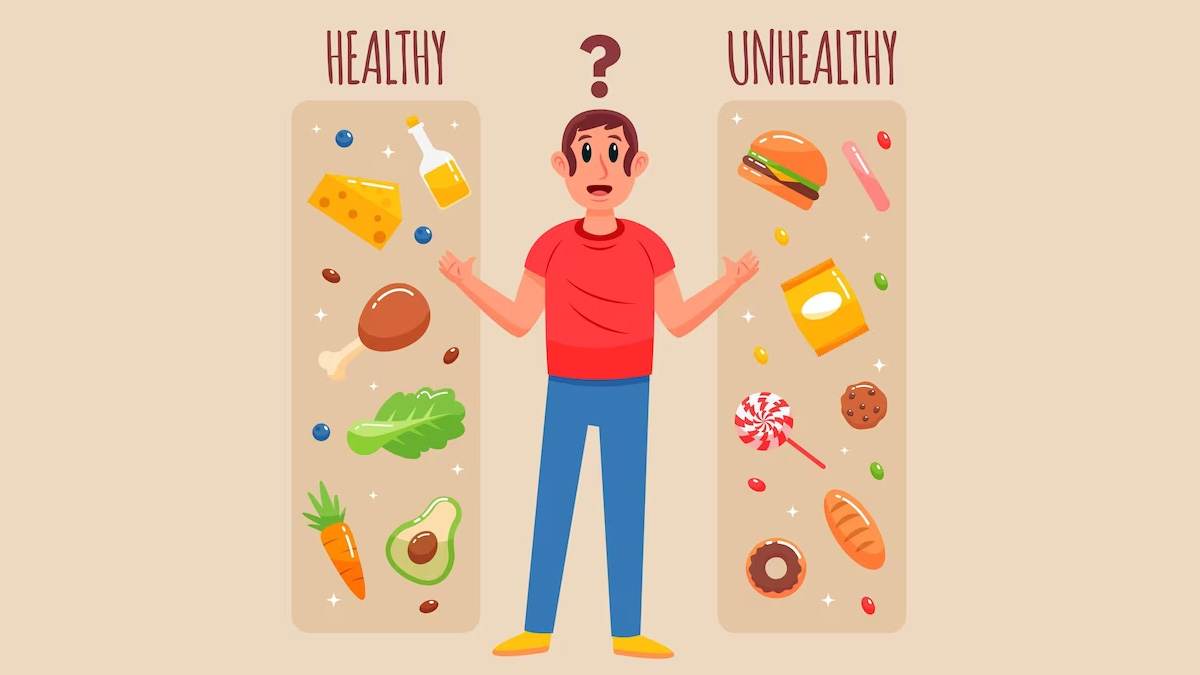
In today’s health-conscious world, many foods are marketed as nutritious, natural, or “good for you.” But appearances can be deceiving. Some products that look healthy on the surface may contain hidden sugars, excess sodium, unhealthy fats, or ultra-processed ingredients that reduce their nutritional value.
Understanding these “health halo” foods is essential if you want to make smarter dietary choices, improve energy levels, and support long-term wellness.
In this guide, we break down 24 foods that often seem healthy but may not be as beneficial as they appear, and what you should choose instead.
1. Sweetened Canned Beans
Beans are nutritious, but many canned versions contain added sugar and salt. Always choose low-sodium, no-added-sugar options.
2. Avocado Toast
Healthy fats from avocado can be outweighed by refined bread and heavy toppings. Use whole grain bread and balanced portions.
3. Granola
Often loaded with sugar and oils, granola can be more like dessert than breakfast. Choose unsweetened oats or homemade versions.
4. Chocolate-Coated Granola Bars
These are often high in sugar and resemble candy bars more than health snacks. Look for simple ingredient bars with minimal additives.
5. Flavoured Yogurt
Many flavored yogurts contain large amounts of added sugar. Opt for plain Greek yogurt with fruit.
6. Flavoured Oat Milk
Sweetened versions can significantly increase sugar intake. Choose unsweetened oat milk instead.
7. Veggie Chips
Despite the name, they often contain minimal vegetables and are still fried snacks. Fresh vegetables or baked alternatives are better.
8. Smoothie Bowls
Healthy ingredients can turn into high-sugar meals with toppings like granola and honey. Keep portions balanced and simple.
9. Diet Soda
Artificial sweeteners may affect cravings and appetite regulation. Sparkling water with fruit is a better option.
10. Store-Bought Juice
Juice often lacks fiber and is high in sugar. Whole fruit is always a healthier choice.
11. Protein Bars
Some are highly processed and similar to candy bars. Choose whole food snacks like nuts or fruit.
12. Agave Syrup
Marketed as natural, but still high in fructose. Raw honey is a more balanced alternative.
13. Gluten-Free Snacks
Not always healthier and may contain extra sugar and fat. Whole foods remain best for most people.
14. Dried Fruit
Highly concentrated sugar makes portion control important. Eat fresh fruit whenever possible.
15. Instant Oatmeal
Flavoured versions often contain added sugar. Choose plain oats for better nutrition.
16. Sushi Rolls with Sauces
Fried fillings and sauces increase calories and sodium. Go for simple sushi like sashimi or basic rolls.
17. Coconut Sugar
Still sugar in disguise, with minimal nutritional advantage.
18. Plant-Based Meat Alternatives
Some are highly processed and high in sodium. Always check ingredient labels carefully.
19. Wraps and Tortillas
Often higher in calories than bread. Choose whole grain versions and mindful fillings.
20. Bran Muffins
Often contain high sugar levels despite “healthy” branding.
21. Low-Fat Peanut Butter
Reduced fat often means added sugar. Natural peanut butter is a better choice.
22. Sports Drinks
Unnecessary for most people and high in sugar. Water is usually enough for hydration.
23. Açaí Bowls
Often loaded with sugary toppings despite antioxidant benefits.
24. Frozen Yogurt
Can contain sugar levels similar to ice cream, especially with toppings.
Why “Health Halo” Foods Are Misleading
Many of these foods are marketed using terms like:
- Natural
- Low-fat
- Organic
- Plant-based
- Gluten-free
However, these labels do not always mean the product is low in sugar, low in calories, or minimally processed.How to Choose Truly Healthy Foods
To avoid misleading products, follow these simple principles:
✔ Read ingredient labels
Look for short, recognizable ingredient lists.
✔ Watch for hidden sugars
Sugar appears under many names: syrup, nectar, concentrate, etc.
✔ Prefer whole foods
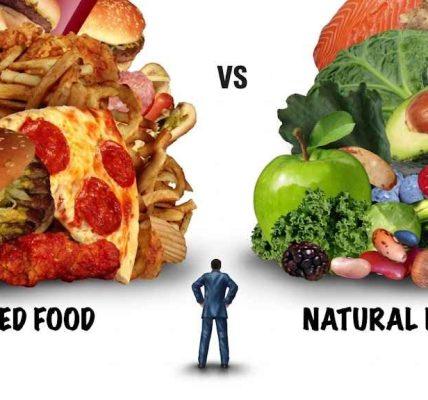
Fresh vegetables, fruits, grains, and lean proteins are always safer choices.
✔ Limit ultra-processed foods
The more processed a food is, the more likely it contains additives.
Final Thoughts
Not everything labeled “healthy” truly supports your well-being. By learning to identify misleading foods, you can make smarter decisions that improve energy, digestion, and long-term health.
Healthy eating isn’t about restriction—it’s about awareness, balance, and better choices.
If you enjoyed this guide, explore more nutrition insights on how to build a truly healthy and sustainable diet.
Some foods may seem healthy but can be harmful if used incorrectly.