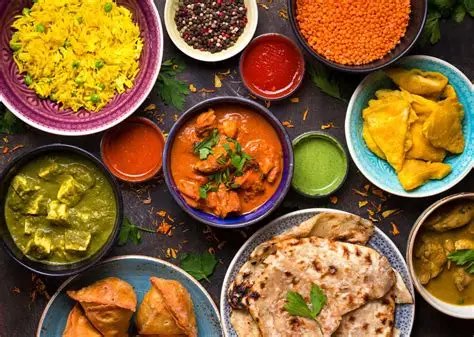

Nutritional Secrets in Famous Traditional Dishes: A Global Guide to Healthy Eating
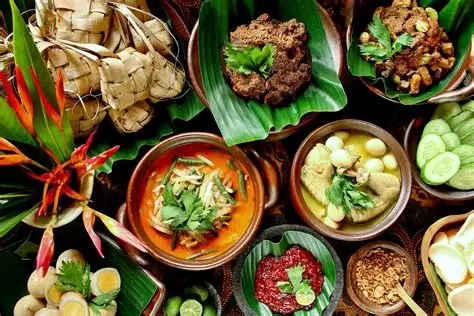
Introduction: What Traditional Food Can Teach Us About Nutrition
Traditional dishes from around the world are more than cultural heritage—they are naturally balanced systems of nutrition built over generations. Long before modern diet trends, communities were already combining food groups in ways that support energy, immunity, and long-term health.
This blog explores the nutritional secrets behind famous traditional dishes and explains how understanding global food cultures can help you build a healthier, more balanced diet today.
The Hidden Nutrition Power of Traditional Dishes
One of the most fascinating discoveries in global cuisine is that many traditional meals naturally follow modern nutritional guidelines.
Mediterranean Cuisine: Balance on a Plate
Mediterranean dishes such as hummus, tabbouleh, and grilled vegetables combine legumes, grains, olive oil, and fresh produce. These ingredients provide:
- Plant-based protein
- Dietary fiber
- Healthy fats
- Essential vitamins and minerals
This is one of the world’s most recognized examples of balanced eating through traditional food culture.
Asian Cuisine: Light, Nutrient-Dense Meals
In many Asian food traditions, meals such as sushi, rice bowls, and vegetable-based soups provide a mix of carbohydrates, protein, and micronutrients.
For example:
- Fish supplies omega-3 fatty acids
- Rice provides energy-rich carbohydrates
- Seaweed and vegetables add vitamins and minerals
These combinations support heart health, brain function, and sustained energy.
Mexican Cuisine: Colorful and Nutrient-Rich
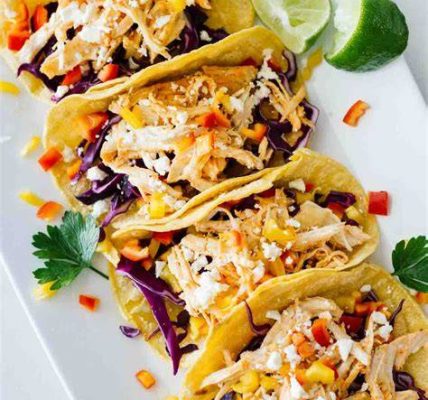
Traditional Mexican dishes like tacos and bean-based meals combine:
- Lean proteins (meat or legumes)
- Fiber-rich beans
- Fresh vegetables
- Whole-grain corn tortillas
This creates a nutrient-dense and satisfying dietary pattern that supports overall wellness.
Understanding Food Groups in Traditional Diets
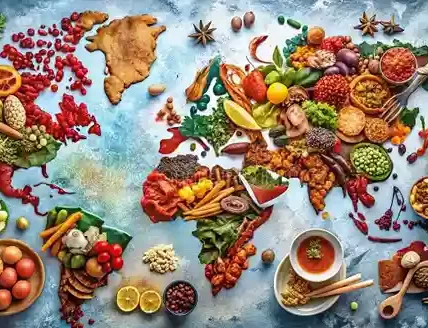
Traditional cuisines around the world naturally incorporate all major food groups, ensuring nutritional balance without strict dieting rules.
1. Carbohydrates: Energy for Daily Life
Carbohydrates are found in grains, fruits, and vegetables. In Italian cuisine, whole-grain pasta provides long-lasting energy and fiber.
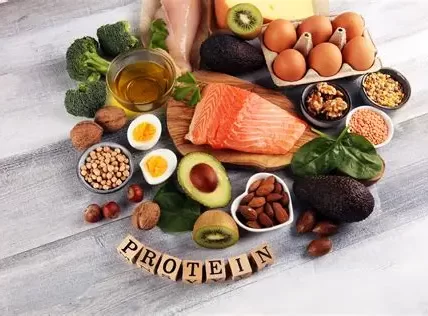
2. Proteins: Growth and Repair
Proteins support muscle development and recovery. In Indian cuisine, lentils (dal) serve as a powerful plant-based protein source, especially in vegetarian diets.
3. Healthy Fats: Heart and Brain Support
Healthy fats are essential for hormone balance and cellular health. Middle Eastern cuisine often uses olive oil, a key source of monounsaturated fats.
4. Vitamins and Minerals: Immune and Gut Health
Japanese diets frequently include fermented and pickled vegetables, which provide probiotics and essential micronutrients that support digestion.
5. Fiber: Digestive Wellness
In Ethiopian cuisine, whole-grain injera offers high fiber content, promoting healthy digestion and satiety.
The Natural Wisdom of Portion Control
Traditional eating habits often promote balance without strict calorie counting.
In many cultures:
- Asian meals are shared family-style, encouraging moderation
- Mediterranean meals include multiple small portions of different food groups
- Meals are designed to be satisfying, not excessive
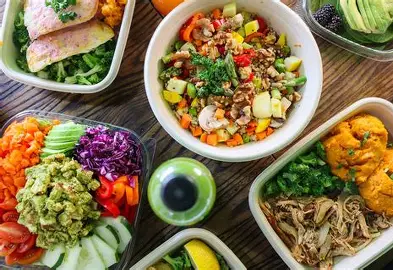
A simple modern adaptation of this wisdom is the balanced plate method:
- 50% vegetables
- 25% protein
- 25% whole grains
This mirrors traditional eating patterns that naturally support health and weight balance.
How to Apply Traditional Nutrition Wisdom in Modern Life
You don’t need to travel the world to benefit from traditional dietary knowledge. You can integrate these principles into your daily routine.
Try Global Cooking at Home
Experiment with dishes like:
- Thai vegetable curry
- French ratatouille
- Mediterranean chickpea salad
This increases dietary diversity and nutrient intake.
Choose Whole, Minimally Processed Foods
Traditional diets rely on fresh, natural ingredients. Focus on:
- Fresh vegetables and fruits
- Whole grains
- Lean proteins
- Nuts, seeds, and legumes
Avoid heavily processed foods whenever possible.
Practice Mindful Eating
Traditional meals are often slow and social. Eating mindfully helps you:
- Recognize hunger and fullness signals
- Improve digestion
- Enjoy food more fully
Build a Balanced Plate
Combine different food groups in every meal to ensure nutritional completeness and variety.
Learn Through Cooking Experiences
Cooking traditional dishes helps you understand how cultures build nutrition into everyday meals. Group cooking or “international dinner nights” can make healthy eating more engaging and educational.
Common Nutritional Pitfalls to Be Aware Of
Even traditional dishes can become less healthy depending on preparation methods. Watch out for:
- Excess sodium from sauces and preserved foods
- Added sugars in modern adaptations
- Overuse of processed ingredients
Small adjustments can preserve tradition while improving health outcomes.
Conclusion: What Traditional Foods Teach Us About Health
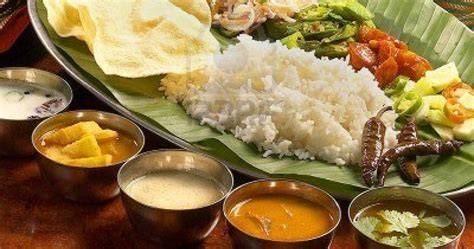
Traditional dishes from around the world reveal a powerful truth: balanced nutrition is not new—it has always been part of human culture.
By understanding food groups, portion balance, and cultural eating habits, you can build a healthier and more sustainable diet without restrictive rules.
Global cuisine offers more than flavor—it offers a blueprint for better living.