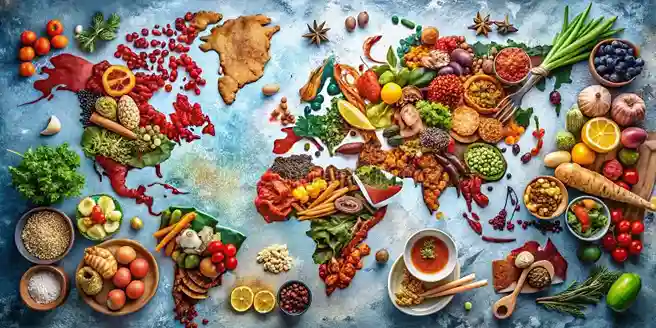

From Asia to Europe: Comparing Food Culture and Interesting Eating Habits
Food is more than just fuel for the body it’s a reflection of culture, identity, and tradition. Across continents, from Asia to Europe and beyond, eating habits reveal how societies are shaped by history, environment, and shared values. In this blog, we explore global food cultures, comparing meal structures, social influences, and the impact of globalization on how people eat today.
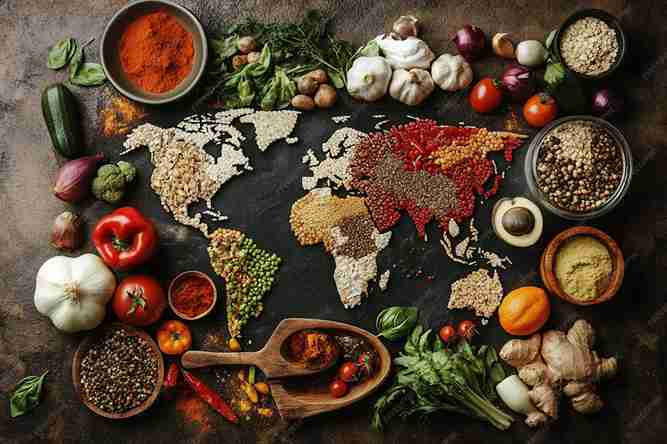
Eating habits differ widely across the world, influenced by local ingredients, traditions, and social norms. These differences highlight how food connects deeply with cultural identity and community life.
Meal Structures and Food Choices Across Cultures
Different regions have developed distinct ways of structuring meals:
- Food Western cultures (e.g., the US, UK):
Typically follow three main meals a day—breakfast, lunch, and dinner—with individual portions and a variety of dishes. - Food Asian cultures (e.g., China, Japan):
Emphasize communal eating, where multiple dishes are shared among family members, often centered around rice or noodles. - Food African cultures (e.g., Ghana, Ethiopia):
Meals are often built around staple foods like fufu or injera, paired with rich stews or sauces. - Food Indian culture:
Known for its regional diversity, vegetarian emphasis, and flavorful use of spices, herbs, and chutneys.
How Cultural Norms Shape Eating Habits

Cultural norms and values play a powerful role in determining what people eat and how they eat.
- Food taboos:
Certain foods are restricted in some cultures (e.g., pork in Islamic and Jewish traditions). - Status and symbolism:
Some foods represent wealth or prestige, such as rare spices or delicacies. - Hospitality and sharing:
In many societies, offering food is a sign of respect and generosity.
Food is not just nourishment—it’s a language of culture, expressing identity, beliefs, and social structure.
Global interactions have transformed food cultures over centuries:
- Historical exchanges:
The Columbian Exchange introduced crops like potatoes and maize to Europe, reshaping diets. - Spice trade:
Trade routes between Asia and Europe enriched cuisines with new flavors and techniques. - Modern migration:
Today, global cities feature diverse cuisines, such as Indian food in the UK or Chinese food in the US.
This blending of cultures has created dynamic, ever-evolving culinary landscapes.

The Power Food of Eating Together (Commensality)
Sharing meals is a universal human experience that strengthens social bonds:
- Encourages connection and belonging
- Reinforces traditions and cultural identity
- Acts as a symbol of hospitality
“In many cultures, sharing food is essential to community life, reinforcing relationships and unity.”
Family and Community Influence
Eating habits are often shaped at home and within communities:
- Family meals influence children’s food preferences
- Cultural traditions guide cooking methods and ingredients
- Social support encourages healthier eating patterns
The Impact of Social Inequality
Not everyone has equal access to nutritious food:
- Food insecurity can lead to poor health outcomes
- Limited nutrition education affects dietary choices
- Healthcare disparities worsen nutrition-related issues
A simplified relationship:
Nutritional Outcome = Baseline + (Impact of Food Insecurity) + Error
This highlights how access and environment directly affect health.
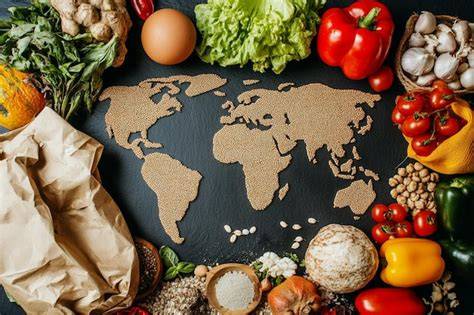
Globalization has reshaped how people eat in both positive and negative ways.
The Downsides
- Rise of fast food culture
- Increased consumption of processed foods
- Decline in traditional cooking practices
- Growing rates of obesity worldwide
The Benefits
- Greater access to diverse cuisines
- Culinary innovation and fusion dishes
- Increased cultural understanding through food
Migration and Food Culture Evolution
Migration plays a key role in shaping modern eating habits:
- Migrants preserve traditional recipes
- Adapt to new ingredients and environments
- Blend old and new culinary practices
This creates unique hybrid cuisines and enriches global food diversity.
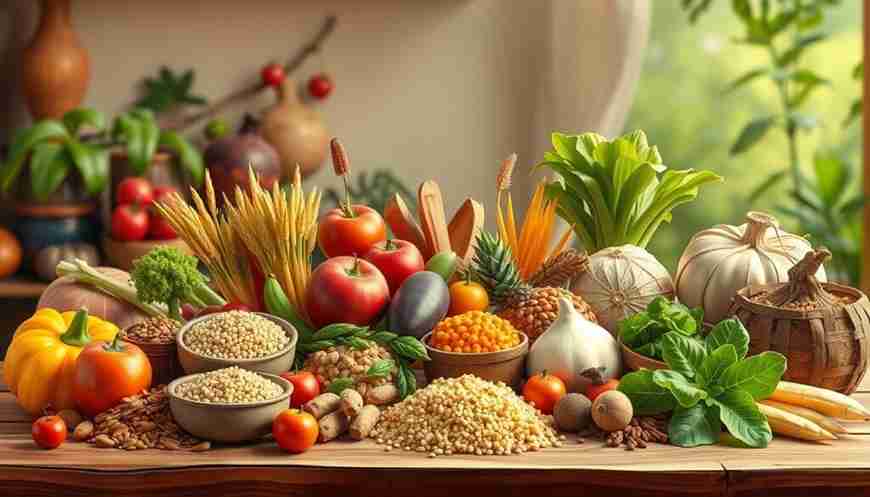
Cultural eating habits can both support and challenge healthy lifestyles:
Positive Impacts
- Diets rich in whole food, fruits, and vegetables
- Communal eating encourages mindful consumption
Challenges
- Preference for high-fat or sugary foods in some cultures
- Conflicts between tradition and modern nutrition advice
- Limited access to health education in some communities
Conclusion
From Asia to Europe, food culture is a fascinating reflection of human diversity. While traditions shape how we eat, globalization continues to influence and transform these habits. Understanding cultural differences in food not only broadens our perspective but also helps promote healthier and more inclusive eating practices worldwide.
SEO Keywords:
Food culture around the world, eating habits in different cultures, Asian vs Western food traditions, global food practices, cultural food differences, globalization and food culture, communal eating traditions. Food from around the world is diverse and abundant, so each region has its own unique dishes.