
Balanced nutrition: The secret to boosting energy and improving quality of life

Balanced Nutrition: The Secret to Boosting Energy and Improving Quality of Life

Balanced nutrition: The secret to boosting energy and improving quality of life
Feeling tired, sluggish, or low on energy throughout the day? The solution may not be another cup of coffee—it could be your diet. Balanced nutrition plays a crucial role in maintaining consistent energy levels and enhancing overall quality of life.
By choosing the right foods and eating patterns, you can fuel your body more efficiently, avoid energy crashes, and stay productive from morning to night.
Why Balanced Nutrition Matters for Energy
The key to sustained energy is eating a balanced diet that includes a mix of:
- Unrefined carbohydrates for steady energy
- Protein for muscle support and satiety
- Healthy fats for long-lasting fuel
- Vitamins and minerals for optimal body function
Focusing on whole foods—such as vegetables, whole grains, and healthy oils—helps your body maintain stable energy levels throughout the day.
While taking a daily multivitamin can help fill nutritional gaps, consuming extra nutrients beyond your needs won’t necessarily boost energy. Instead, it’s the overall balance of your diet that makes the biggest difference.
Choose the Right Foods for Sustained Energy
Not all foods provide energy in the same way.
- Simple sugars (like candy and refined carbs) give quick bursts of energy—but lead to rapid crashes
- Complex carbohydrates (like whole grains) provide slow, steady energy
- Healthy fats help maintain long-lasting fuel reserves
Tip: Limit refined sugars and processed starches. While they may give a temporary boost, they often leave you feeling more tired afterward.
Eat Small, Frequent Meals
Instead of eating three large meals a day, consider smaller meals and healthy snacks every few hours.
Why it works:
- Keeps blood sugar levels stable
- Provides a continuous supply of energy to the brain
- Reduces fatigue and sluggishness
Even a light snack—like a piece of fruit or a handful of nuts—can help maintain your energy between meals.
Be Mindful of Meal Size—Especially Lunch
Eating large meals, particularly at lunch, can lead to an afternoon energy slump. This is often due to spikes and drops in blood sugar levels.
What to do instead:
- Choose lighter, balanced lunches
- Avoid overeating during midday
- Include protein, fiber, and healthy fats for sustained energy
Avoid Extreme Dieting
Crash diets and severe calorie restrictions can do more harm than good. When your body doesn’t get enough calories or nutrients, fatigue is one of the first symptoms.
Healthy approach to weight management:
- Aim for gradual weight loss
- Maintain adequate calorie intake
- Focus on nutrient-dense foods
Sustainable changes are far more effective than extreme dieting.
Use Caffeine Strategically
Caffeine can be a helpful tool for boosting alertness—but only when used wisely.
Best practices:
- Consume in moderate amounts
- Avoid caffeine late in the day to prevent sleep disruption
- Use it when you need focus, such as before work or meetings
Too much caffeine can lead to restlessness, poor sleep, and energy crashes.
Limit Alcohol for Better Energy
Alcohol has a sedative effect, which can reduce your energy levels—especially if consumed during the day.
Tips:
- Avoid alcohol at lunch if you want to stay productive
- Limit intake in the evening if you need energy later
- Stick to moderate consumption levels
Stay Hydrated
Water is essential for transporting nutrients and removing waste from the body. Even mild dehydration can lead to fatigue and reduced performance.
Hydration tips:
- Drink water consistently throughout the day
- Don’t wait until you feel thirsty
- Include water-rich foods in your meals
While sports drinks contain electrolytes, they are usually unnecessary for everyday activities.
Simple Habits to Boost Energy Daily
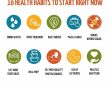
To improve your energy levels and quality of life, focus on these habits:
- Eat a balanced diet with whole, nutrient-rich foods
- Choose complex carbs over refined sugars
- Eat smaller, more frequent meals
- Stay hydrated
- Limit caffeine and alcohol intake
- Avoid extreme dieting
Conclusion
Balanced nutrition is one of the most effective and natural ways to boost your energy and improve your overall quality of life. By making smart food choices and maintaining consistent eating habits, you can avoid fatigue, stay focused, and feel your best every day.
Remember, lasting energy doesn’t come from quick fixes—it comes from nourishing your body the right way, consistently.