
Building Good Habits: Start with Small Changes for Lasting Success
Building good habits is one of the most powerful ways to transform your life. Whether you want to improve your health, productivity, relationships, or mindset, everything starts with small, consistent actions repeated over time.
In today’s fast-paced world, many people try to change everything at once and quickly burn out. The truth is simple: lasting change comes from small steps, not big leaps.
This guide explains how habits work and how you can start building healthy routines that actually stick.
Why Building Good Habits Matters
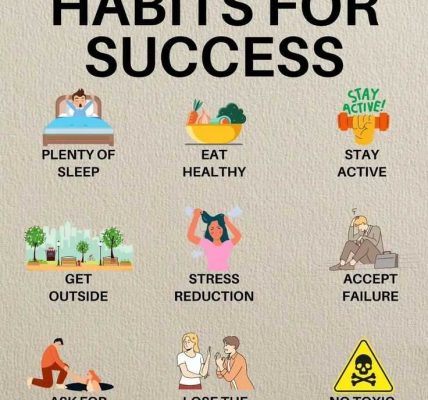
Your daily habits shape your life more than motivation or willpower ever could. From the moment you wake up to the time you go to sleep, your behaviors determine your physical health, mental clarity, emotional balance, and success.
Healthy habits impact:
- Energy levels
- Productivity
- Emotional well-being
- Long-term success
The key is consistency. Small improvements every day create powerful long-term results.
What Are Habits and How Do They Work?
Habits are automatic behaviors formed through repetition. Instead of thinking consciously, your brain learns to “run on autopilot.”
Every habit follows a simple loop:
- Cue – a trigger that starts the behavior
- Routine – the action itself
- Reward – the benefit you receive
Example:
- Cue: Feeling stressed
- Routine: Taking a 10-minute walk
- Reward: Feeling calm and refreshed
When this loop repeats, the behavior becomes automatic.
Step 1: Start Small (The Key to Success)
One of the biggest mistakes people make is starting too big.
Instead of:
- “I will exercise for 1 hour daily”
Start with:
- “I will walk for 5–10 minutes daily”
Small habits feel easy, which makes them easier to repeat. Once consistency is built, you can gradually increase intensity.
Step 2: Set Clear and Simple Goals
Vague goals don’t work. Clear goals create direction.
Instead of:
- “I want to get healthy”
Try:
- “I will drink 2 liters of water daily”
- “I will eat 2 servings of vegetables every day”
Clear goals help you measure progress and stay motivated.
Step 3: Use Triggers to Build Consistency
Triggers help remind your brain to perform a habit.
Simple strategies:
- Link habits to existing routines (habit stacking)
- Use phone reminders or alarms
- Place visual cues in your environment
Example:
After brushing your teeth → do 2 minutes of stretching
This makes habits easier to remember and repeat.
Step 4: Track Your Progress
Tracking keeps you accountable and motivated.
You can:
- Use a journal
- Use habit-tracking apps
- Check off daily goals
Seeing progress builds confidence and reinforces consistency.
Step 5: Reward Yourself
Your brain loves rewards. Positive reinforcement helps habits stick faster.
Healthy rewards include:
- A relaxing break
- A cup of tea or coffee
- Watching your favorite show
Rewards should support your progress—not undo it.
Step 6: Be Ready for Challenges
Building habits is not always smooth. Missed days and setbacks are normal.
What matters most:
- Don’t give up after mistakes
- Restart immediately
- Focus on long-term consistency
Remember: progress is more important than perfection.
Building Healthy Habits in Daily Life
Here are simple areas where small habits make a big difference:
Physical Health Habits
- Walk or stretch daily
- Eat balanced meals
- Drink enough water
- Sleep 7–9 hours per night
Even small changes improve energy and strength over time.
Mental and Emotional Habits
- Practice deep breathing or meditation
- Write down your thoughts
- Practice gratitude daily
- Use positive self-talk
These habits reduce stress and improve focus.
Productivity Habits
- Plan your day in advance
- Focus on one task at a time
- Avoid constant multitasking
- Take short breaks during work
Better structure leads to better results.
Social Habits
- Spend quality time with family
- Listen actively in conversations
- Show appreciation regularly
Strong relationships improve emotional well-being.
Advanced Habit-Building Techniques
Once you’re consistent, you can level up your habits:
Habit Stacking
Attach a new habit to an existing one
Example: After breakfast → read 5 pages
Accountability
Share your goals with a friend or group for support
Regular Reflection
Review your progress weekly and adjust as needed
Common Challenges (and How to Fix Them)
| Challenge | Solution |
|---|---|
| Lack of time | Start with 5-minute habits |
| Low motivation | Focus on consistency, not feelings |
| Forgetting habits | Use reminders and triggers |
| Losing momentum | Restart without guilt |
Real-Life Impact of Small Habits
Small habits can completely change your life:
- Walking daily improves energy and reduces stress
- Reading regularly improves knowledge and focus
- Healthy eating boosts long-term health
- Journaling improves emotional clarity
Over time, these small actions lead to major transformation.
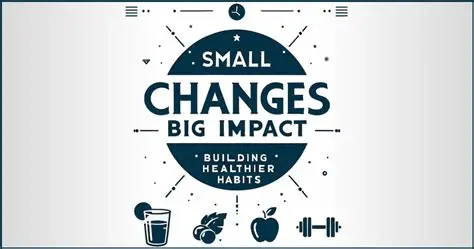
Conclusion: Small Changes Create Big Results
Building good habits is not about perfection—it’s about consistency. You don’t need to change everything at once. You just need to start small and stay committed.
Focus on simple actions, repeat them daily, and let time do the rest.
Remember: Your future is built by what you do every day, not once in a while.
Start small. Stay consistent. Build a better life—one habit at a time.