
What to Eat for a Healthy Brain? Foods That Help Boost Memory
 Leo Thompson
Posted on
Leo Thompson
Posted on Table of Contents
ToggleWhat to Eat for a Healthy Brain: Twelve Foods That Boost Memory and Cognitive Function
What to Eat for a Healthy Brain? Foods That Help Boost Memory
Your brain is the command center of your body, responsible for everything from decision-making to memory, focus, and emotional regulation. Despite being only about 2% of your body weight, it consumes roughly 20% of your daily calories. This means that what you eat directly impacts how well your brain functions.
While mental exercises, sleep, and stress management play critical roles, your diet forms the foundation of cognitive health. Certain nutrients like omega-3 fatty acids, antioxidants, B vitamins, and polyphenols can support neuron growth, improve blood flow, and protect your brain from age-related decline.
In this article, we explore 12 top brain foods, why they work, and how you can incorporate them into your daily meals for optimal memory, focus, and long-term cognitive health.
Oily Fish: A Powerhouse of Omega-3 Fatty Acids
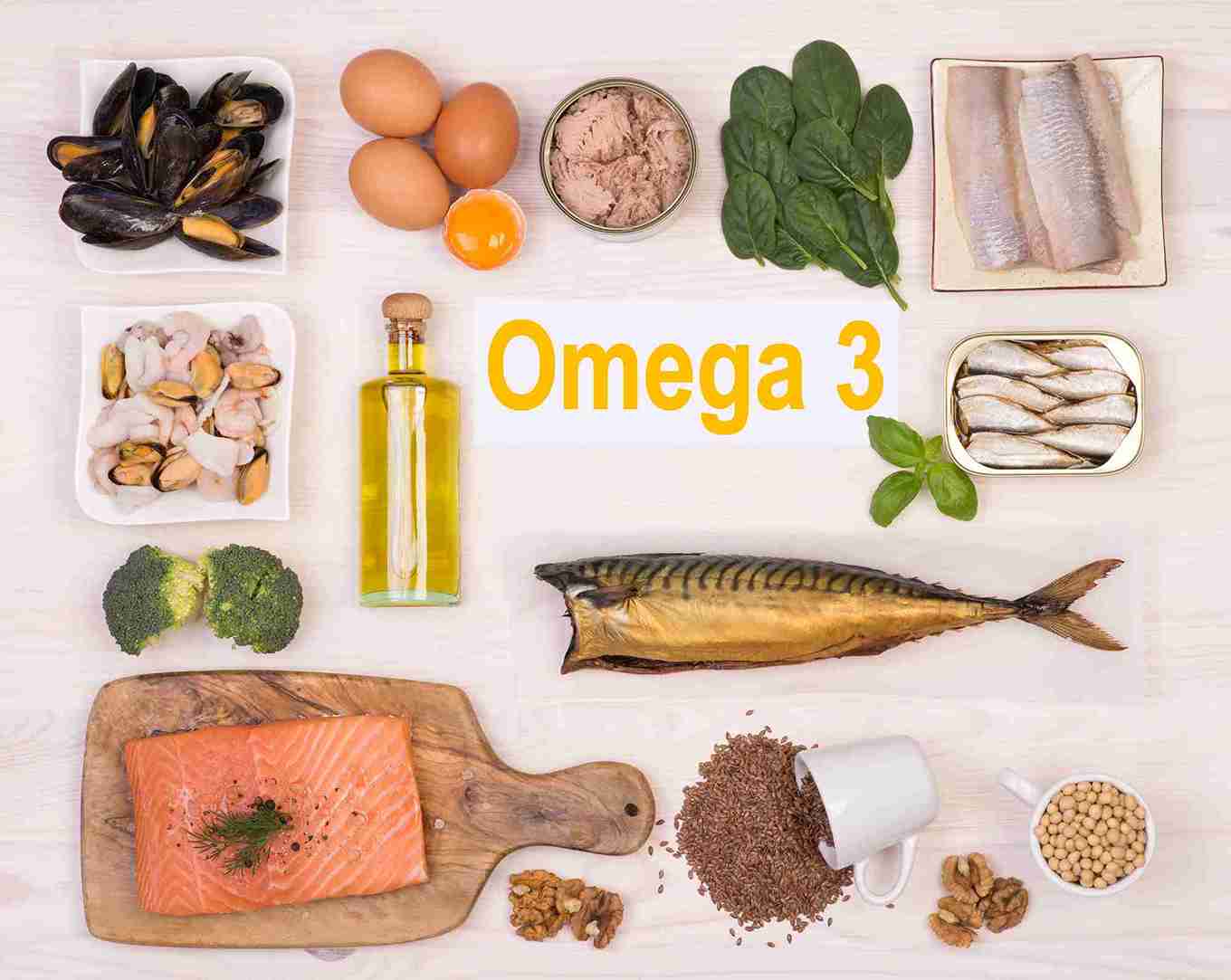
Oily fish, including salmon, mackerel, tuna, sardines, and herring, are rich in omega-3 fatty acids, particularly EPA and DHA, which are essential for maintaining neuron health. Omega-3s are critical for:
- Building and repairing brain cell membranes
- Supporting synaptic plasticity, which helps your brain learn and store information
- Reducing inflammation that may contribute to cognitive decline
A 2017 study found that individuals with higher omega-3 levels had improved blood flow in the brain and enhanced cognitive function. For those following a plant-based diet, flaxseed, chia seeds, walnuts, and soybeans are excellent sources of omega-3s.
Pro tip: Aim for at least 2 servings of fatty fish per week for brain benefits.
Dark Chocolate: Sweet Brain Fuel
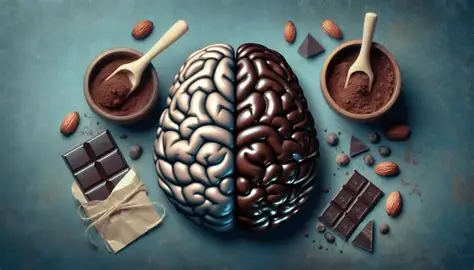
Dark chocolate (70% cocoa or higher) contains flavonoids, which are potent antioxidants. These compounds can:
- Stimulate blood flow in brain regions involved in learning and memory
- Promote neuron and blood vessel growth
- Enhance brain plasticity, the brain’s ability to adapt and form new connections
A 2018 study using brain imaging found that participants who consumed dark chocolate showed increased activity in areas associated with memory. While more research is needed, moderate consumption may enhance cognitive function and mood.
Serving suggestion: Enjoy a small piece (about 1 ounce) daily as a healthy treat.
Berries: Tiny Fruits, Big Brain Benefits

Berries, such as blueberries, strawberries, blackberries, and mulberries, are packed with antioxidants like anthocyanins, caffeic acid, catechins, and quercetin. These compounds help:
- Reduce oxidative stress and inflammation
- Improve communication between neurons
- Enhance learning and memory
- Slow age-related cognitive decline
A 2014 review highlighted that antioxidants in berries can increase plasticity, allowing neurons to form new connections, which is vital for memory formation. Adding berries to your breakfast or smoothie is an easy way to boost brain health.
Nuts and Seeds: Tiny Nutrient-Dense Brain Boosters

Nuts and seeds, including almonds, hazelnuts, sunflower seeds, and walnuts, provide healthy fats, protein, and vitamin E, a powerful antioxidant that protects brain cells from oxidative damage.
- A 2014 study linked higher nut consumption with better brain function in older adults.
- Vitamin E may reduce the risk of Alzheimer’s disease and support cognitive performance with age.
Tip: Snack on a handful of nuts daily or add seeds to oatmeal, salads, or yogurt.
Whole Grains: Fuel for Focus
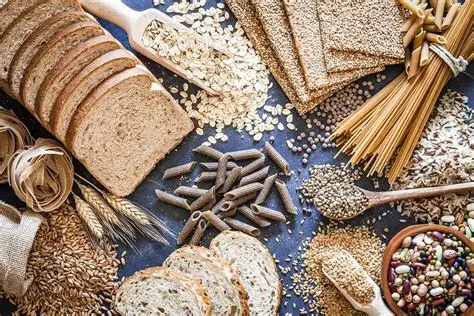
Whole grains provide a steady source of glucose, the primary energy for your brain. They also contain vitamin E and B vitamins, which support neuron health and reduce cognitive decline risk.
Recommended grains: brown rice, barley, bulgur wheat, oatmeal, whole-grain bread, and pasta.
Practical tip: Replace refined grains with whole-grain options in your meals for consistent energy and mental clarity throughout the day.
Coffee: Wake Up Your Brain

Coffee isn’t just a morning pick-me-up—it may actually enhance brain function. Its main ingredient, caffeine, blocks adenosine, a neurotransmitter that promotes sleep, helping you stay alert. Additionally:
- Caffeine increases brain entropy, improving information processing
- Coffee contains antioxidants that support long-term cognitive health
- Lifelong coffee consumption is associated with reduced risk of stroke, Parkinson’s disease, and Alzheimer’s disease
Caution: Excessive caffeine can disrupt sleep and elevate stress hormones, so moderate intake is best.
Avocados: Healthy Fats for a Healthy Mind
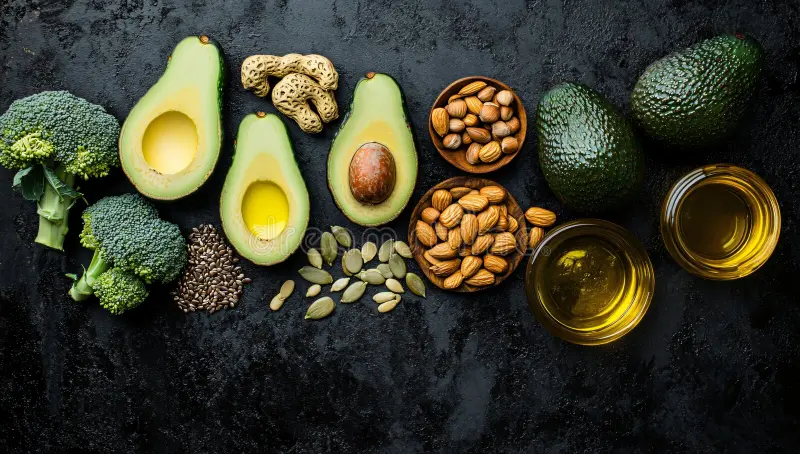
Avocados are rich in monounsaturated fats, which help maintain healthy blood flow and reduce blood pressure—a factor linked to cognitive decline. Other sources of healthy fats include:
- Olive oil
- Walnuts and Brazil nuts
- Fatty fish
Including avocados in salads, smoothies, or as a spread can enhance brain health while supporting heart health.
Peanuts: More Than Just a Snack
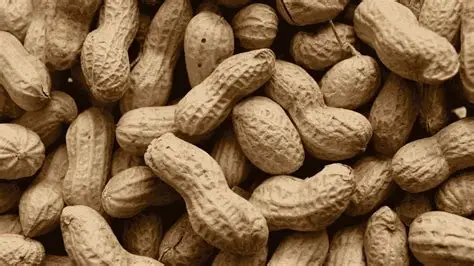
Peanuts are an affordable, nutrient-dense food containing unsaturated fats, protein, vitamin E, and resveratrol, a natural antioxidant with neuroprotective effects. Research suggests resveratrol may help prevent Alzheimer’s and Parkinson’s disease and reduce inflammation.
Tip: Pair peanuts with fruits or whole grains for a balanced snack that fuels your brain and body.
Eggs: A Breakfast Brain Boost

Eggs are rich in B vitamins, including B6, B12, and folate, which support brain function by:
- Reducing homocysteine levels that can harm brain cells
- Preventing brain shrinkage
- Delaying cognitive decline
Incorporate eggs into breakfast, salads, or stir-fries for a convenient and versatile brain-friendly protein source.
Broccoli: The Cruciferous Brain Protector
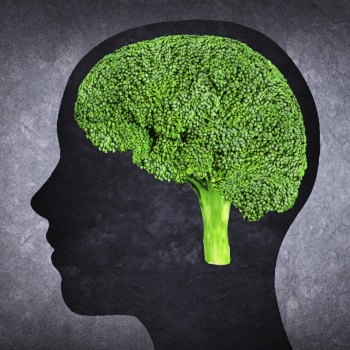
Broccoli is a nutrient-dense vegetable that contains glucosinolates, which break down into isothiocyanates that reduce oxidative stress and protect neurons. Broccoli also contains:
- Vitamin C
- Flavonoids
Other cruciferous vegetables like Brussels sprouts, cabbage, cauliflower, and bok choy offer similar brain-protective benefits.
Kale: The Leafy Green Superfood
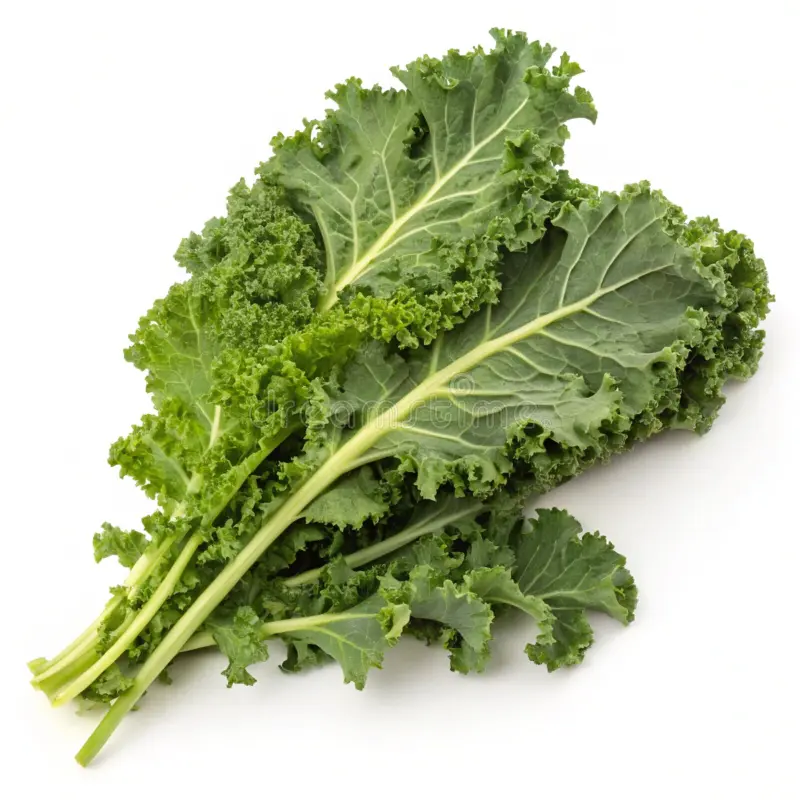
Kale and other leafy greens are packed with antioxidants, vitamins, and minerals that support neuron health and cognitive function. Research suggests that regular consumption of leafy greens may slow cognitive decline in older adults.
Tip: Add kale to smoothies, soups, or salads to maximize nutrient intake.
Soy Products: Plant-Based Cognitive Support
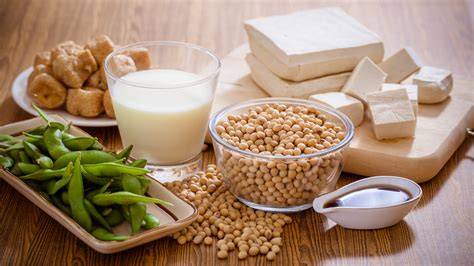
Soy contains polyphenols called isoflavones, which act as antioxidants and may reduce dementia risk. Isoflavones like genistein and daidzein help protect neurons and support cognitive function.
Popular soy foods: tofu, tempeh, soy milk, edamame.
Brain-Boosting Supplements: Are They Worth It?
Supplements like vitamins B, C, E, beta-carotene, magnesium, and ginseng may support brain health if you have a deficiency. However, for most people with a balanced diet, supplements alone cannot replace nutrient-rich foods. Focus on food first, and use supplements strategically if needed.
Lifestyle Habits That Maximize Brain Function
Diet alone isn’t enough. To optimize memory, focus, and long-term brain health:
- Eat balanced meals with healthy fats, proteins, and antioxidants
- Stay hydrated to maintain cognitive function
- Get quality sleep for memory consolidation
- Exercise regularly to improve blood flow and neuron growth
- Manage stress with mindfulness, yoga, or meditation
- Limit alcohol consumption, which can impair memory and cognition