
What Is Clean Food and Why Is It Becoming Increasingly Important?
What is Clean Food and Why Is It Becoming Increasingly Important?
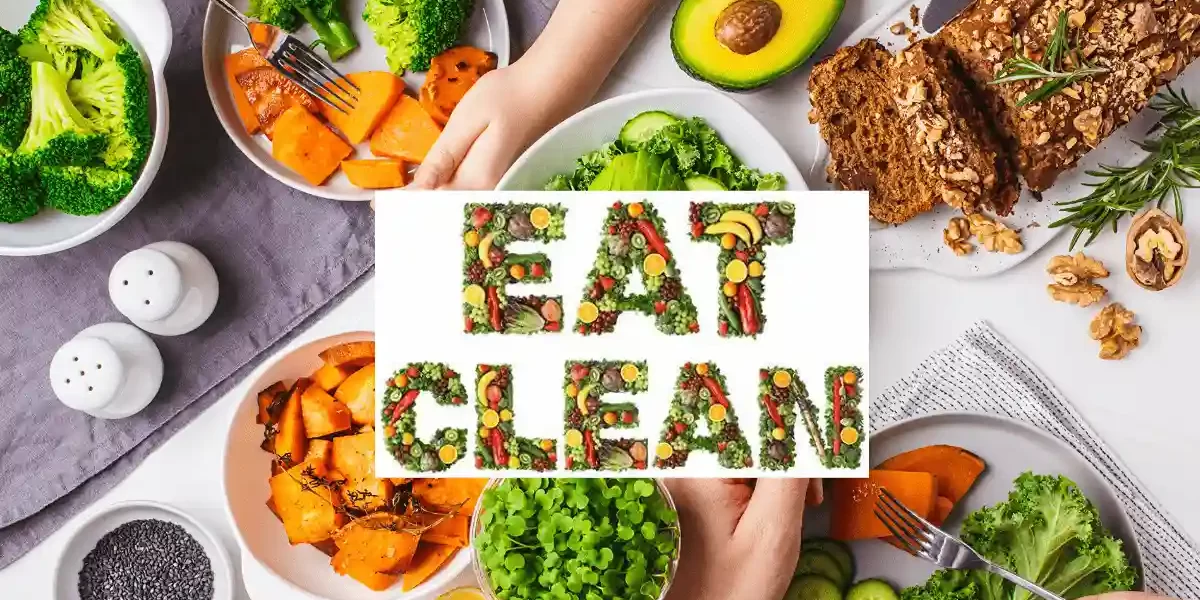
Clean eating has become one of the most discussed nutrition trends in modern health and wellness. But beyond the buzzword, clean food is actually a simple and flexible approach to eating that focuses on whole, minimally processed ingredients.
In this SEO-optimized guide, we’ll break down what clean food really means, why it matters for your health, and how to apply it in your daily life without confusion or restriction.
What Is Clean Eating?
Clean eating is not a strict diet—it is a food philosophy centered on choosing foods in their most natural and least processed form.
There is no official medical definition, but the core idea remains the same:
Eat foods that are as close as possible to their natural state.
This includes:
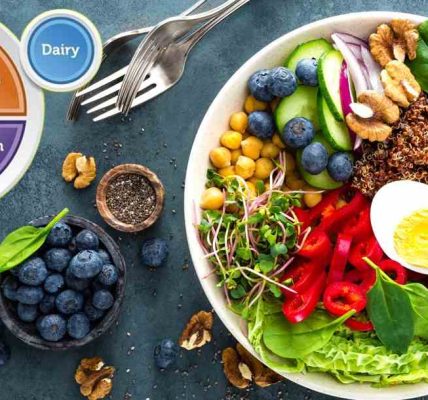
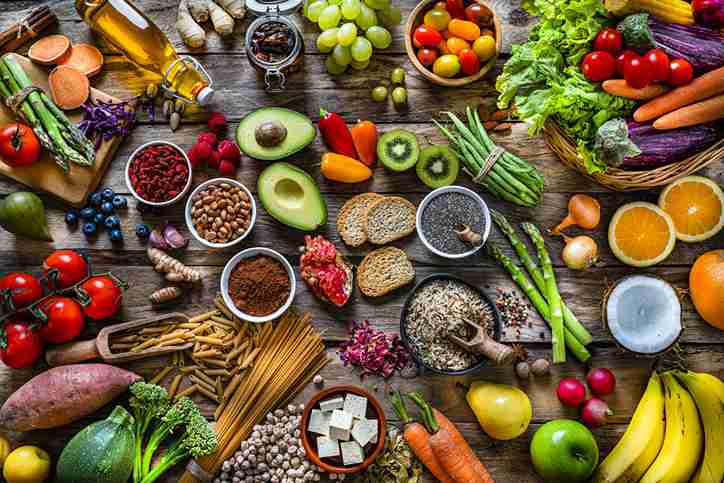
- Fresh fruits and vegetables
- Whole grains
- Lean proteins
- Healthy fats
And it limits:
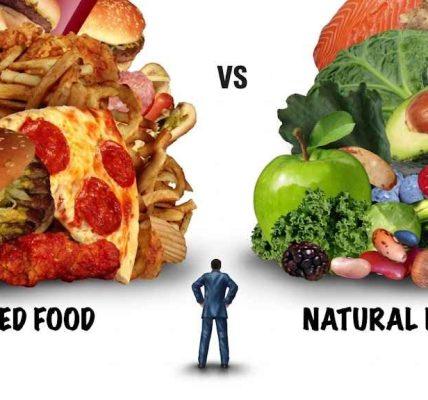
- Ultra-processed snacks
- Packaged foods with long ingredient lists
- Artificial additives and excess sugar
Many people define clean eating simply as:
- “Eating fresh produce”
- “Avoiding highly processed foods”
- “Choosing natural ingredients”
The Core Principles of Clean Food
A clean eating lifestyle focuses on real, whole ingredients.
Clean foods typically include:
- Fresh fruits and vegetables
- Eggs, fish, chicken, beans, and lentils
- Whole grains like oats, quinoa, and brown rice
- Nuts, seeds, avocado, and olive oil
Clean eating limits:
- Sugary drinks and snacks
- Fast food
- Artificial sweeteners and preservatives
- Highly processed packaged meals
A simple rule:
If the ingredient list looks like something you could cook at home, it’s likely clean.
Understanding Processed vs. Ultra-Processed Foods
Not all processed foods are bad. Food processing exists in different levels:
1. Minimally processed foods
Fresh or frozen vegetables, plain rice, eggs, and meat.
2. Basic processed ingredients
Olive oil, butter, salt, and sugar used in cooking.
3. Processed foods
Cheese, canned vegetables, or simple bread.
4. Ultra-processed foods (avoid most often)
- Instant noodles
- Sugary cereals
- Chips and packaged snacks
- Fast food meals
These foods often contain:
- Artificial flavors and colors
- High levels of sugar or sweeteners
- Chemical preservatives
- Very low nutritional value
Ultra-processed foods are designed to be highly addictive and easy to overeat, which can negatively affect health.
Why Clean Food Matters for Your Health
Research shows that diet quality plays a major role in long-term health outcomes.
Key benefits of clean eating include:
- Better weight management
- Reduced body fat
- Improved heart health
- Lower inflammation
- Better digestive function
- Reduced food cravings
A major clinical study published in Nature Medicine found that people eating minimally processed diets:
- Lost more weight
- Reduced body fat
- Improved blood fat levels
- Experienced fewer cravings
Importantly, this happened without changing calorie intake, showing that food quality matters as much as quantity.
Clean Eating and Gut Health
Your gut plays a major role in overall health.
Ultra-processed foods can:
- Reduce fiber intake
- Disrupt gut bacteria
- Contain additives that affect digestion
Over time, this may contribute to:
- Digestive discomfort
- Inflammation
- Higher risk of chronic diseases
Clean, fiber-rich foods help support a balanced and healthy gut microbiome.
The Role of Added Sugar in Clean Eating
One of the most important clean eating principles is reducing added sugar.
Health guidelines recommend:
- Less than 10% of daily calories from added sugar
- Around 12 teaspoons per day for an average diet
However, many processed foods exceed this in a single serving—especially sugary drinks.
Watch for hidden sugar names:
- High fructose corn syrup
- Cane syrup
- Maltose
- “Natural flavors” (can still include additives)
Reducing added sugar is one of the fastest ways to improve energy levels and long-term health.
Do You Need to Eat Organic to Eat Clean?
Organic food is often associated with clean eating, but they are not the same.
Organic foods:
- May reduce pesticide exposure
- Are regulated under specific farming standards
But clean eating is broader:
You can still eat a healthy clean diet using conventional fruits and vegetables.
The most important thing is:
Eating more whole foods matters more than avoiding every trace of pesticides.
If organic fits your budget, it can be a bonus—but it is not required.
What a Clean Eating Plate Looks Like
Building a clean meal is simple:
1. Fill half your plate with:
- Vegetables and fruits
2. Add protein:
- Chicken, fish, eggs, beans, or lentils
3. Include healthy carbs:
- Brown rice
- Quinoa
- Oats
- Whole grain bread
4. Add healthy fats:
- Olive oil
- Avocado
- Nuts and seeds
Simple Clean Eating Tips
- Choose foods with short ingredient lists
- Cook more meals at home
- Drink more water
- Avoid sugary drinks
- Eat more fiber-rich foods
- Limit packaged snacks
Even small changes can significantly improve your diet quality.
When Clean Eating Goes Too Far
While clean eating is generally healthy, it can become unhealthy if taken to extremes.
An unhealthy obsession with “perfect eating” may lead to:
- Anxiety around food
- Strict avoidance of many foods
- Social isolation
- Guilt after eating “imperfect” meals
This condition is sometimes associated with orthorexia, where concern for healthy eating becomes overwhelming.
Healthy eating should support your life—not control it.
Final Thoughts
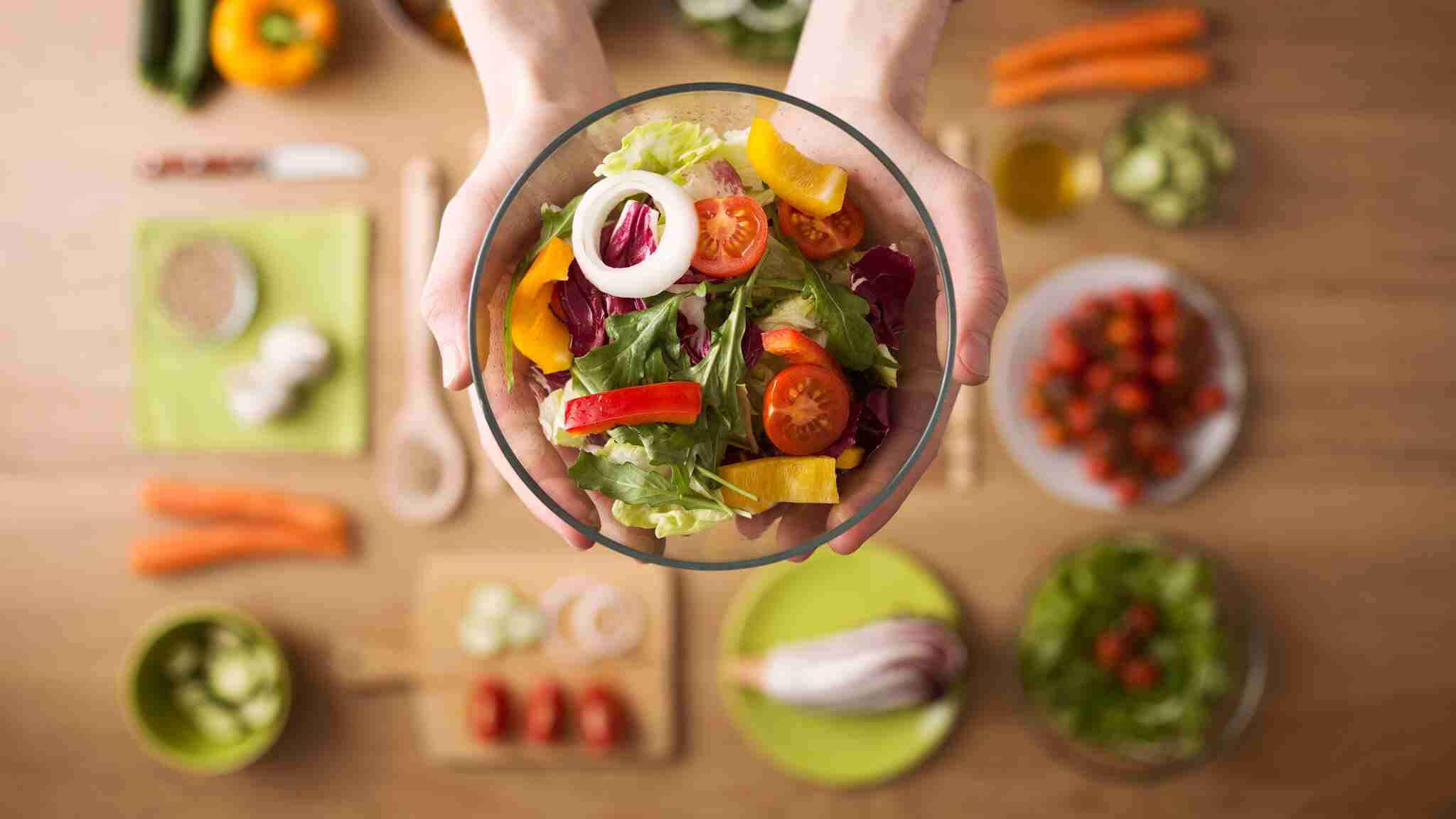
Clean food is not a diet trend—it is a sustainable approach to eating real, minimally processed foods that support long-term health.
You don’t need perfection. You need balance.
Start simple:
- Eat more whole foods
- Reduce ultra-processed items
- Focus on consistency, not restriction
Over time, these small choices can lead to better energy, improved health, and a stronger relationship with food.