

A Journey of Culinary Discovery from East to West: Exploring Global Flavors and Food Culture
Introduction: When East Meets West in the Kitchen
Food is more than nourishment—it is memory, identity, and connection. Growing up between two distinct culinary worlds, a Greek Cypriot father and a Malaysian Chinese mother, offers a unique perspective on how flavors shape our understanding of life. This journey of culinary discovery from East to West reveals how food becomes a universal language that bridges cultures, traditions, and generations.
In this blog, we explore how Eastern and Western food philosophies come together, and how embracing both can transform the way you cook, eat, and experience the world.
A Fusion of Culinary Traditions: Simplicity Meets Complexity
One of the most powerful lessons from an East-meets-West upbringing is realizing that different cuisines often share the same foundation—respect for ingredients.
The Mediterranean Philosophy: Simplicity and Purity
Mediterranean and Greek Cypriot cuisine celebrates simplicity. The focus is on high-quality, fresh ingredients that speak for themselves. A ripe tomato, extra virgin olive oil, wild oregano, and fresh bread can create a dish that feels complete without complexity.
This philosophy teaches that:
- Less is more in cooking
- Ingredient quality matters more than technique
- Natural flavors should remain untouched
It is a culinary approach rooted in balance, health, and authenticity.
The Malaysian Chinese Influence: Boldness and Emotion
In contrast, Malaysian Chinese cuisine brings intensity, emotion, and layered complexity to every dish. Aromatic spices such as chili, ginger, garlic, turmeric, and lemongrass create bold, unforgettable flavors.
From comforting herbal soups to sizzling wok dishes, food becomes a sensory experience designed to evoke feelings—warmth, nostalgia, and comfort.
Key characteristics include:
- Strong, aromatic spice combinations
- Emotional and cultural storytelling through food
- Deep connection to memory and family traditions
Every dish is more than food—it is an experience that carries history and identity.
Food as a Way of Life: Culture, Memory, and Identity
In many households where food is central to daily life, cooking is not just a task—it is a tradition passed down through generations.
Greek Cypriot culture emphasizes philoxenia, the art of generous hospitality. Food is shared abundantly, symbolizing welcome, warmth, and community.
Meanwhile, Malaysian Chinese traditions view food as a living connection to ancestry. Recipes are not just instructions—they are stories preserved through time.
Together, these perspectives show that:
- Food preserves cultural memory
- Cooking is an emotional expression
- Meals connect us to our roots and loved ones
Every dish carries meaning far beyond its ingredients.
The Power of Food to Connect People Across Cultures
One of the most profound aspects of culinary discovery is the ability of food to bring people together.
Sharing a meal is a universal act of connection. Whether it is tasting baklava in a Mediterranean village or enjoying nasi lemak in Malaysia, each dish offers a window into another culture’s identity.
Food helps us:
- Understand different traditions and histories
- Build empathy through shared experiences
- Appreciate cultural diversity
- Expand our culinary curiosity
When we approach food with openness, every meal becomes an opportunity for learning and connection.
Developing Your Own Culinary Compass
A personal culinary journey is not about choosing between East or West—it is about embracing both. It is about exploring flavors, experimenting in the kitchen, and discovering what resonates with you.
To build your own culinary compass:
- Try ingredients from different cultures
- Balance simplicity with bold flavor combinations
- Learn the stories behind traditional dishes
- Cook with curiosity and intention
Food becomes a journey rather than a destination.
Conclusion: A World of Flavors Awaits
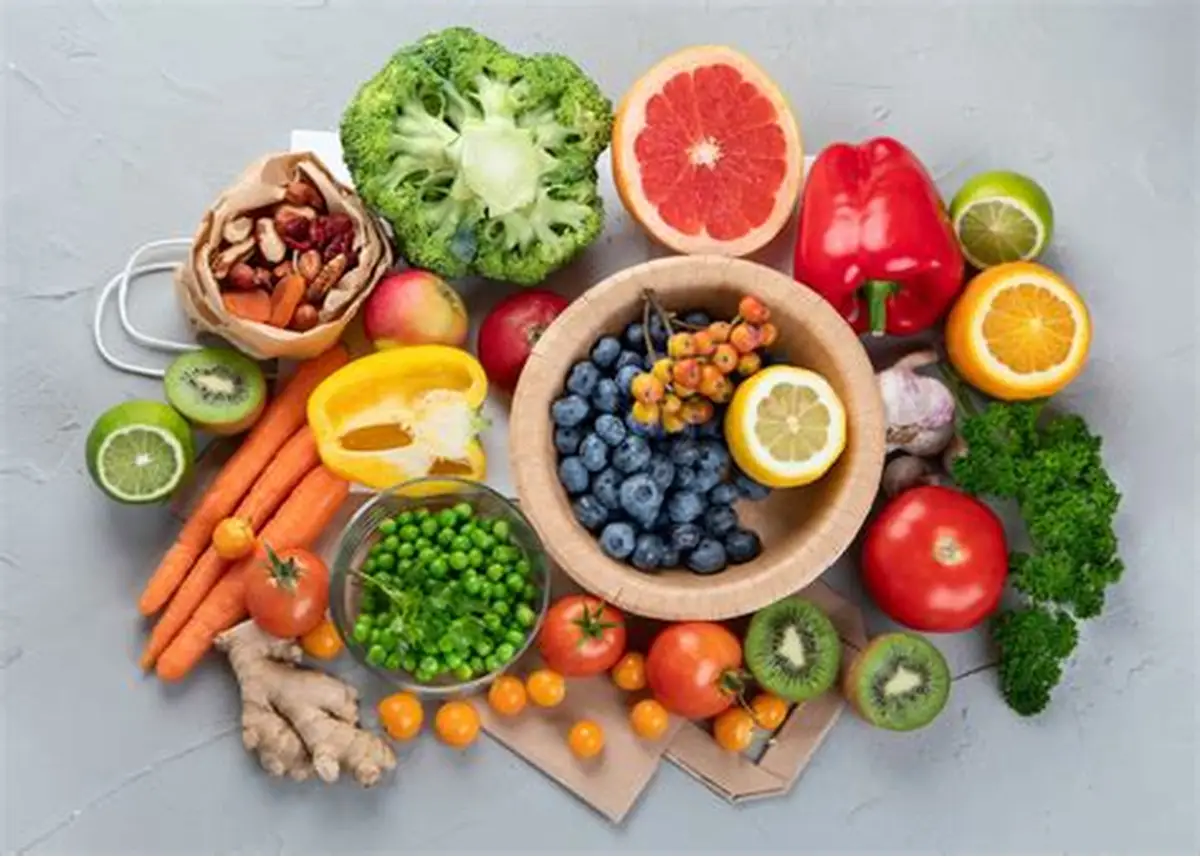
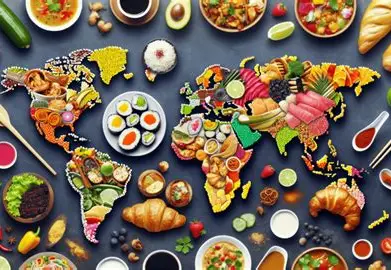
The fusion of Eastern and Western culinary traditions shows us that food is a universal language. It speaks through spices, textures, aromas, and emotions, connecting people across continents and generations.
Your kitchen can be a place of discovery, creativity, and cultural exploration. Every meal is a chance to learn something new and celebrate the richness of human experience.
So explore boldly, cook with curiosity, and let your own culinary compass guide you toward new and meaningful flavors.