

Foods to Avoid for Long-Term Health Protection: 15 Foods Doctors Say to Limit or Avoid

Foods to Avoid for Long-Term Health Protection
Meta Description (SEO):
Discover 15 foods doctors recommend avoiding for better long-term health. Learn how processed foods, sugar, and unhealthy fats can impact your body and what to eat instead.
Introduction: Why Food Choices Matter for Long-Term Health
In today’s modern diet, many health problems are linked not only to what we eat—but also to what we regularly consume without realizing its impact.
While healthy foods like fruits, vegetables, whole grains, and lean proteins support long-term wellness, certain processed and ultra-processed foods can slowly harm your body over time.
Doctors and nutrition experts agree that consistently eating the wrong foods may:
- Increase the risk of chronic diseases
- Reduce energy levels
- Affect metabolism
- Impact heart and brain health
The key is not perfection, but awareness and balance. Understanding which foods to limit can help you make smarter daily choices for long-term health protection.
Why Avoiding Certain Foods Is Just as Important as Eating Healthy Foods
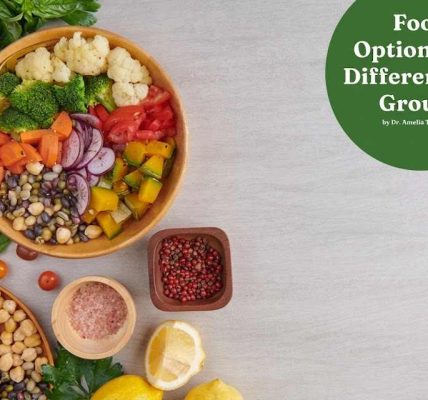
According to medical experts, a healthy diet is based on whole, natural foods such as:
- Fresh fruits and vegetables
- Nuts and seeds
- Whole grains
- Healthy fats
- Lean proteins like fish and legumes
However, even if you eat healthy most of the time, regularly consuming harmful foods can still negatively affect your health.
That’s why experts often recommend an 80/20 approach:
- 80% healthy, nutrient-dense foods
- 20% occasional indulgences
15 Foods to Avoid or Limit for Better Health
1. Sugary Soft Drinks (Soda)
Soda is one of the biggest sources of added sugar in modern diets.
Regular consumption is linked to:
- Weight gain
- Type 2 diabetes
- Heart disease
- Tooth decay
Even high-sugar coffee drinks or slushies can contain extreme sugar levels that overload your system.
2. Raw or Undercooked Meat
Raw or undercooked meat may contain harmful bacteria such as:
- Salmonella
- E. coli
- Campylobacter
These can lead to food poisoning and serious infections, especially in people with weakened immune systems.
3. Sugary Breakfast Cereals
Many breakfast cereals are highly processed and spike blood sugar levels quickly.
Over time, this may contribute to:
- Insulin resistance
- Weight gain
- Energy crashes
4. Processed Meats
Examples include:
- Bacon
- Sausages
- Hot dogs
- Deli meats
These foods are linked to increased risks of heart disease, hypertension, and certain cancers due to preservatives and high sodium content.
5. Alcohol
Alcohol provides no nutritional benefit and is considered “empty calories.”
It can:
- Slow fat metabolism
- Increase liver stress
- Raise long-term disease risk
Even moderate consumption may negatively affect overall health and longevity.
6. Trans Fats
Trans fats are artificially created fats found in:
- Packaged baked goods
- Fried foods
- Microwave popcorn
They significantly increase the risk of heart disease and inflammation.
7. Sports Drinks
Although marketed as healthy hydration, most sports drinks contain high levels of sugar.
Excess consumption can contribute to:
- Fatty liver
- Weight gain
- Blood sugar imbalance
8. Artificial Sweeteners
Zero-calorie sweeteners may seem healthier, but they can:
- Disrupt gut health
- Affect metabolism
- Increase sugar cravings
Research is still ongoing regarding their long-term effects.
9. Fruit Juice
Even 100% fruit juice lacks fiber and behaves like sugar in the body.
Compared to whole fruit, juice can:
- Spike blood sugar
- Increase calorie intake
- Reduce satiety
Whole fruits are always the better choice.
10. Added Sugar and High Fructose Corn Syrup
Excess sugar intake is strongly linked to obesity and metabolic disease.
High fructose corn syrup, in particular, is commonly found in:
- Soda
- Packaged snacks
- Processed foods
It can contribute to insulin resistance over time.
11. Refined Vegetable Oils
Common in fried and processed foods, refined oils may:
- Increase inflammation
- Cause oxidative stress
- Harm liver health
Healthier alternatives include olive oil or natural fats.
12. Takeout and Fast Food
Frequent consumption of restaurant food can lead to:
- High sodium intake
- Excess calories
- Poor portion control
Cooking at home allows better control over ingredients and nutrition.
13. Processed White Bread
White bread is highly refined and lacks fiber and nutrients.
It can cause:
- Blood sugar spikes
- Low satiety
- Poor digestion
Whole grain bread is a much healthier alternative.
14. High-Fat Frozen Meals
Many frozen meals are:
- High in sodium
- High in preservatives
- Low in nutritional value
They may contribute to weight gain and poor heart health if consumed frequently.
15. Donuts and Sugary Baked Goods
Donuts and similar pastries are high in:
- Sugar
- Saturated fat
- Calories
They provide little nutritional value and can quickly impact blood sugar and cholesterol levels.
Health Risks of Eating These Foods Regularly
Consistent consumption of ultra-processed foods may lead to:
- Obesity
- Type 2 diabetes
- Heart disease
- High blood pressure
- Chronic inflammation
- Low energy levels
Over time, these effects significantly reduce overall quality of life.
Healthier Alternatives You Should Eat Instead
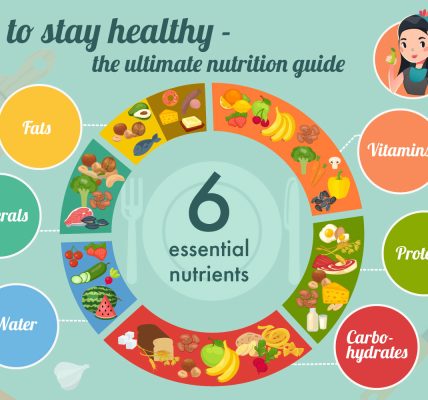
To support long-term wellness, focus on:
- Fresh fruits and vegetables
- Whole grains (brown rice, oats, quinoa)
- Lean proteins (fish, chicken, legumes)
- Healthy fats (olive oil, nuts, avocado)
- Water and herbal teas
These foods support energy, metabolism, and disease prevention.
Smart Eating Strategy: The 80/20 Rule
Experts recommend:
- 80% nutrient-dense, whole foods
- 20% flexibility for treats and indulgences
This approach helps maintain balance without feeling restricted.
Conclusion: Small Changes Lead to Long-Term Health Protection
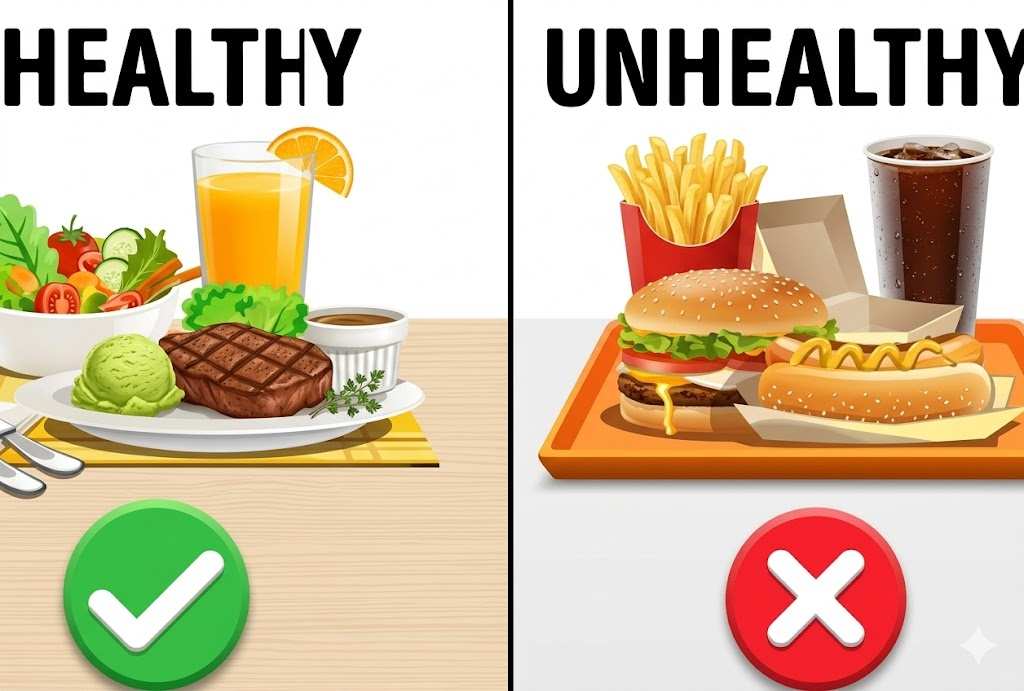
You don’t need to completely eliminate every “unhealthy” food overnight. Instead, focus on awareness and moderation.
By reducing processed foods and increasing whole, natural foods, you can:
- Boost energy levels
- Improve heart and brain health
- Support metabolism
- Reduce disease risk
Healthy eating is not about perfection—it’s about making better choices consistently over time.
Your long-term health depends on what you eat every single day. Start small, stay consistent, and your body will thank you for years to come.