Eat Well and Stay Healthy: 10 Nutrition Principles You Can’t Ignore
 Leo Thompson
Posted on
Leo Thompson
Posted on Meta Description: Discover 10 essential nutrition principles to help you eat clean, improve digestion, boost energy, and build a healthier lifestyle naturally.
Primary Keywords: nutrition principles, healthy eating, clean eating, balanced diet, healthy lifestyle
Secondary Keywords: whole foods, organic food, good fats, mindful eating, reduce sugar
Table of Contents
ToggleIntroduction: Why Nutrition Is Not One-Size-Fits-All
Finding the right diet is a personal journey. What works for one person may not work for another—and that’s completely normal.
Your body is unique. The way you digest, absorb nutrients, and respond to certain foods depends on your individual biology. This concept, often referred to as bio-individuality, explains why no single diet fits everyone.
However, despite these differences, there are foundational nutrition principles that experts and researchers widely agree on. These principles provide a solid framework to help you eat better, feel better, and live healthier.
Let’s explore the 10 essential nutrition principles you simply can’t ignore.

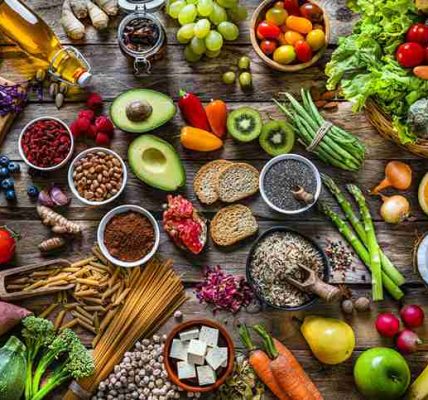
1. Eat Whole Foods as Nature Intended
The closer your food is to its natural state, the better it is for your body.
Focus on fresh, unprocessed foods such as:
- Fruits and vegetables (especially seasonal and colorful varieties)
- Nuts and seeds
- Herbs, mushrooms, and seaweeds
- Fermented foods like yogurt and cultured vegetables
- Free-range eggs and wild-caught fish
These foods are rich in nutrients and free from harmful chemicals and additives.
2. Choose Organic Whenever Possible
Organic foods are often richer in nutrients and free from synthetic pesticides, fertilizers, and genetically modified organisms (GMOs).
Choosing organic helps:
- Reduce toxin exposure
- Support hormone balance
- Protect liver health
Whenever possible, opt for locally grown, organic produce for maximum freshness and nutritional value.
3. Add Liquid Nutrition to Your Diet
Juices and smoothies are a simple way to boost your nutrient intake.
A fresh smoothie packed with fruits, vegetables, and healthy fats can:
- Provide vitamins and minerals instantly
- Improve digestion
- Increase energy levels
Instead of reaching for processed snacks, try a nutrient-dense drink—it’s a quick and healthy alternative.
4. Limit Gluten-Containing Grains
Gluten is found in grains like wheat, barley, and rye. While some people tolerate it well, many experience sensitivity or digestive issues.
Reducing gluten intake may:
- Improve gut health
- Reduce inflammation
- Support better digestion
If you consume gluten, consider traditional preparation methods like soaking or sourdough fermentation to make it easier to digest.
5. Reduce Processed Sugar Intake
Excess sugar can negatively impact your health in many ways, including:
- Blood sugar spikes and crashes
- Increased cravings
- Higher risk of chronic diseases like diabetes and heart disease
Choose low glycemic foods and avoid processed products with added sugars such as high fructose corn syrup and artificial sweeteners.
6. Include Healthy Fats in Your Diet
Not all fats are bad. In fact, healthy fats are essential for:
- Hormone production
- Brain function
- Nutrient absorption
Good sources of healthy fats include:
- Avocados
- Olive oil
- Coconut oil
- Nuts and seeds
- Wild-caught fish
Avoid trans fats and highly processed vegetable oils, which can harm your health.
7. Cook Smart and Preserve Nutrients
How you prepare your food matters just as much as what you eat.
Healthy cooking tips:
- Avoid overheating oils
- Use stable fats like coconut oil or butter
- Try slow cooking methods
- Incorporate raw foods when possible
Traditional techniques like fermenting, soaking, and sprouting can also enhance nutrient absorption.
8. Choose Ethical and Sustainable Food Sources
Understanding where your food comes from is crucial.
Opt for:
- Free-range and organic animal products
- Hormone-free and antibiotic-free meat
- Sustainably sourced foods
This not only benefits your health but also supports environmental sustainability and animal welfare.
9. Avoid Artificial Additives
Processed foods often contain harmful additives that can disrupt your body.
Watch out for:
- Artificial flavor enhancers like MSG
- Preservatives and chemical additives
- Hidden ingredients under unfamiliar names
Always read labels and choose clean, natural products whenever possible.
10. Practice Mindful and Relaxed Eating
Your body digests food best when you are relaxed.
Eating in a stressed or rushed state can:
- Disrupt digestion
- Reduce nutrient absorption
- Cause bloating and discomfort
Take time to enjoy your meals. Eat slowly, chew thoroughly, and avoid distractions like TV or phones.
Conclusion: Build a Sustainable Healthy Lifestyle

Healthy eating doesn’t have to be complicated. By applying these 10 simple nutrition principles, you can create lasting habits that support your overall well-being.
Remember, it’s not about being perfect—it’s about making better choices consistently.
Start small, listen to your body, and enjoy the journey toward a healthier you.