
Discover the World of Fermented Foods and Their Surprising Benefits for Your Gut

Discover the world of fermented foods and their surprising benefits for your gut
Fermented foods have been part of human diets for thousands of years, but only recently have they gained attention for their powerful effects on gut health. From improving digestion to supporting a diverse microbiome, these foods are becoming a key part of modern nutrition.
In this article, we’ll explore what fermented foods are, why they matter, and the best options you can easily add to your daily diet.
What Are Fermented Foods?
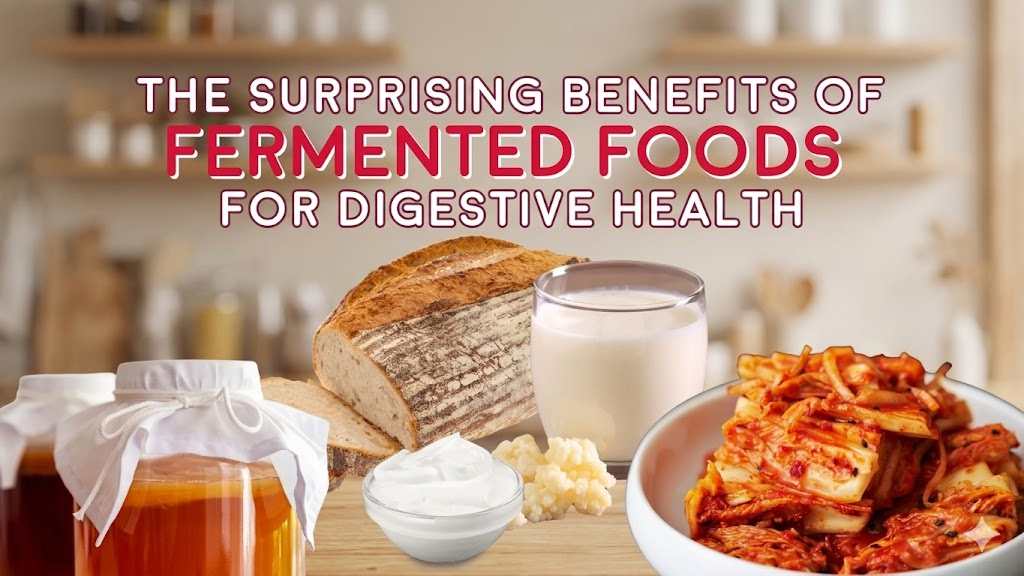
Fermented foods are created when natural microorganisms—such as bacteria or yeast—break down sugars and starches in food. This process not only preserves food but also creates beneficial compounds.
Common examples include:
- Milk fermented into yogurt
- Tea fermented into kombucha
- Vegetables transformed into kimchi or sauerkraut
Some fermented foods contain probiotics (live beneficial bacteria), which can survive digestion and support gut health. Others may contain prebiotics, which feed the good bacteria already living in your gut.
Why Fermented Foods Are Good for Your Gut
Your gut is home to trillions of microorganisms known as the gut microbiome. A diverse and balanced microbiome is linked to better overall health.
Fermented foods may help:
- Improve digestion
- Support immune function
- Reduce inflammation
- Promote a more diverse gut microbiome
- Support metabolic health
However, not all fermented foods contain live probiotics, so choosing the right products is important.
Top Fermented Foods You Should Eat
Here are some of the most beneficial fermented foods you can include in your diet:
1. Kefir
Kefir is a fermented milk drink with a tangy flavor and slightly fizzy texture. It is made using kefir grains that ferment milk over time.
Benefits:
- Rich in probiotics
- May support gut health and digestion
- Contains vitamins B, C, A, and K
- Good source of calcium and magnesium
Kefir can be consumed on its own or added to smoothies and breakfast bowls.
2. Kimchi
Kimchi is a traditional Korean dish made from fermented vegetables like cabbage, radish, and spices.
Benefits:
- Supports gut microbiome diversity
- May help lower cholesterol and blood sugar
- Rich in fiber, vitamins A and C
- May reduce bloating and digestive discomfort
It’s a flavorful side dish that pairs well with rice, noodles, or soups.
3. Kombucha
Kombucha is a fermented tea made with sugar and a SCOBY (a culture of bacteria and yeast).
Benefits:
- May support gut diversity
- Contains antioxidants
- Can have anti-inflammatory effects
Be mindful of store-bought versions, as some contain added sugars or sweeteners.
4. Sauerkraut
Sauerkraut is fermented cabbage with a tangy and crunchy texture.
Benefits:
- Rich in probiotics (when raw and unpasteurized)
- Supports digestion
- May help reduce IBS symptoms
- High in fiber and vitamin C
It can be added to sandwiches, salads, or eaten as a side dish.
5. Yogurt
Yogurt is one of the most common fermented foods made by adding bacterial cultures to milk.
Benefits:
- Supports gut and immune health
- High in protein and calcium
- May improve bone strength and metabolism
Look for labels that say “live and active cultures” to ensure probiotic content.
6. Miso
Miso is a fermented soybean paste widely used in Japanese cuisine.
Benefits:
- Supports gut health
- May improve blood sugar regulation
- Contains antioxidants and essential nutrients
It is commonly used in soups, sauces, and marinades.
7. Aged Cheese
Certain cheeses like cheddar, parmesan, and Swiss undergo fermentation and may contain beneficial bacteria.
Benefits:
- May support gut health in moderation
- Good source of calcium and protein
However, cheese should be eaten in moderation due to its fat and sodium content.
8. Sourdough Bread
Sourdough is made through natural fermentation of flour and water.
Benefits:
- Contains prebiotics (even after baking)
- Easier to digest for some people
- Lower glycemic impact than regular bread
Note: Not all sourdough products are truly fermented, so check labels carefully.
9. Apple Cider Vinegar
Apple cider vinegar is made by fermenting apple juice with yeast and bacteria.
Benefits:
- May support blood sugar control
- Can aid digestion when used in small amounts
- Contains trace beneficial bacteria in raw, unfiltered versions
It is commonly used in dressings, marinades, and drinks.
How to Include Fermented Foods in Your Diet
You don’t need large amounts to see benefits. In fact, variety is more important than quantity.
Best approach:
- Eat small portions of different fermented foods daily
- Start slowly to avoid digestive discomfort
- Choose products with live cultures and low sugar
- Combine with a balanced diet rich in fruits, vegetables, and whole grains
What to Look for When Buying Fermented Foods
Not all products are equal. To get the most benefits:
- Check for “live and active cultures” on labels
- Avoid high sugar or heavily processed versions
- Prefer raw or unpasteurized options when possible
- Read ingredient lists carefully
Final Thoughts
Fermented foods are a simple yet powerful way to support your gut health. From yogurt and kimchi to kefir and miso, these foods introduce beneficial bacteria that help improve digestion, immunity, and overall well-being.
The key is consistency and variety. By adding small amounts of different fermented foods into your daily meals, you can naturally support a healthier and more balanced gut microbiome.
A healthier gut often means a healthier you—one bite at a time.