
Why Can the Same Food Have Different Health Effects? Understanding Gut Differences and Personalized Nutrition
Have you ever wondered why two people can eat the same meal but feel completely different afterward? One person may feel energized and satisfied, while another experiences bloating, fatigue, or no noticeable effect at all.
Recent scientific research shows that the answer lies deep inside our bodies—in the gut. A groundbreaking study from the University of Copenhagen reveals that differences in gut environment and microbiome may explain why the same food affects people in different ways.
This discovery is a major step toward understanding personalized nutrition and how our bodies uniquely process food.
The Gut: A Unique Internal Ecosystem
Inside every human body lives a complex community of trillions of microorganisms known as the gut microbiome. These bacteria play a key role in:
- Digestion and nutrient absorption
- Immune system function
- Metabolism and energy production
- Overall health and disease prevention
However, no two microbiomes are exactly the same. Even small differences in gut conditions can change how food is digested and how nutrients are absorbed.
A Groundbreaking Study Reveals New Insights
In a recent study led by researchers at the University of Copenhagen, scientists explored how the gut environment varies from person to person—and how this impacts digestion.
How the Study Worked
Fifty participants swallowed a special capsule during breakfast. This capsule:
- Traveled through the stomach, small intestine, and large intestine
- Measured pH levels, temperature, and pressure
- Exited the body naturally within 12 to 72 hours
This allowed researchers to track real-time changes inside the digestive system in a way that was never possible before.
Why Digestion Varies from Person to Person
One of the most surprising findings was how differently food moves through each person’s gut.
For example:
- In some individuals, food passed through the small intestine in just 2 hours
- In others, it took up to 10 hours
This difference is important because the small intestine is where most nutrient absorption happens. The longer or shorter transit time can influence how many nutrients are absorbed before food reaches the colon.
The Role of pH and Gut Environment
The study also found that changes in pH levels throughout the digestive system strongly influence gut bacteria activity.
Here’s how it works:
- Stomach: Highly acidic environment breaks down food
- Small intestine: Alkaline conditions allow nutrient absorption
- Large intestine: Gut bacteria ferment leftover food and produce fatty acids
As food moves through these stages, pH levels shift constantly. These changes affect which bacteria thrive and how active they are.
In other words, your gut environment helps shape your microbiome—and your microbiome influences how you process food.
Why the Same Food Doesn’t Work the Same for Everyone
Because every person has a different gut environment, the same meal can lead to different outcomes.
This includes differences in:
- Nutrient absorption efficiency
- Energy levels after eating
- Digestive comfort or discomfort
- Metabolic response
This explains why one person may feel great after eating a certain food while another may not tolerate it well at all.
The Rise of Personalized Nutrition
According to researchers, these findings strongly support the future of personalized nutrition—diet plans tailored to individual biology rather than one-size-fits-all guidelines.
In the future, nutrition advice may consider:
- Gut microbiome composition
- Digestive speed and transit time
- pH balance in the gut
- Individual metabolic response to foods
This approach could lead to more effective diets for improving health, preventing disease, and optimizing energy levels.
What This Means for Your Diet Today
While personalized nutrition is still developing, there are already practical lessons we can apply:
1. Pay attention to how your body reacts
Notice how different foods affect your energy, digestion, and mood.
2. Focus on whole, nutrient-rich foods
A diverse diet supports a healthier and more balanced gut microbiome.
3. Include fiber-rich foods
Vegetables, fruits, legumes, and whole grains feed beneficial gut bacteria.
4. Don’t assume one diet works for everyone
Your body is unique—what works for others may not work the same for you.
The Future of Nutrition Science
This study, published in Nature Microbiology, highlights a major shift in how we understand food and health. Instead of viewing food as universally effective, science is moving toward a more individualized approach.
The gut is not just a digestive organ—it is a dynamic ecosystem that shapes how our bodies respond to everything we eat.
Conclusion: Your Gut Makes You Unique
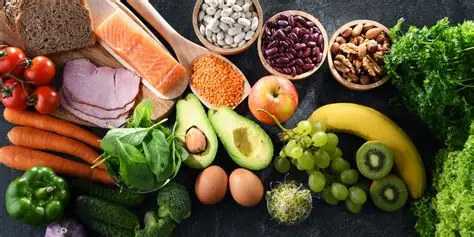
The same food can have different effects because no two guts are the same. Your microbiome, gut environment, and digestion speed all influence how your body responds to what you eat.
Understanding this uniqueness is a powerful step toward better health. Instead of following strict universal diets, the future lies in learning how your own body responds to food.
In the end, nutrition is not just about what you eat—it’s about how your body experiences it.
Why can the same food have different health effects?