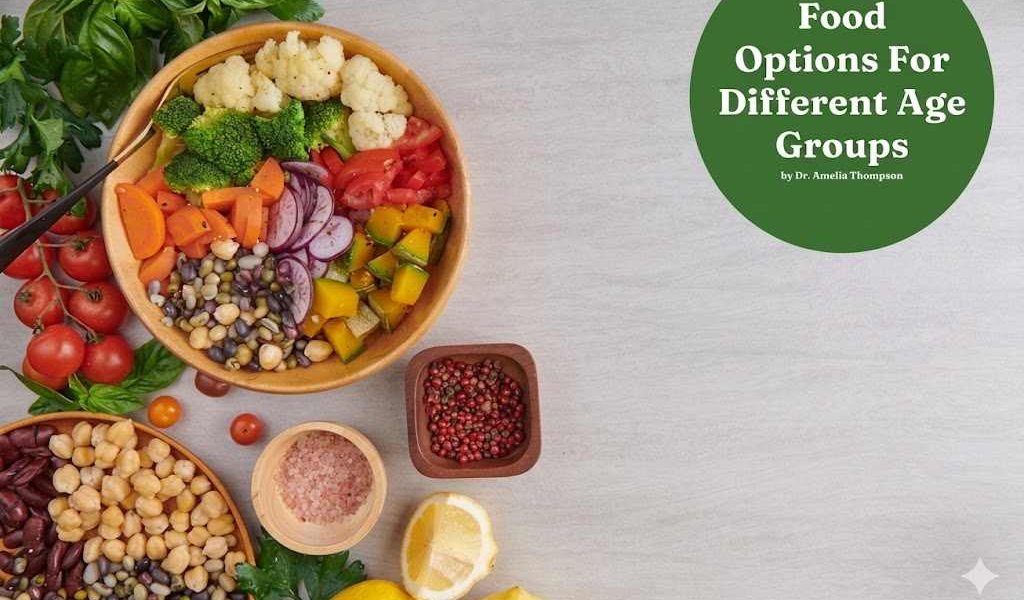

Food for Each Age Group: Eating Right for a Long and Healthy Life
Food for each age group: Eating right for a long and healthy life
Nutrition is not one-size-fits-all. The food your body needs changes as you grow—from childhood to adulthood and into old age. A well-planned, age-appropriate diet helps support growth, maintain energy, prevent diseases, and improve overall quality of life.
In this guide, we’ll explore the ideal diet plan for each age group and understand how eating right at every stage contributes to long-term health and longevity.
Why Age-Specific Nutrition Matters
As we age, our bodies go through major changes:
- Metabolism slows down or speeds up depending on life stage
- Nutrient absorption efficiency changes
- Energy requirements increase or decrease
- Risk of chronic diseases evolves
Because of these changes, a diet that works for a teenager may not be suitable for a senior. Eating according to your age ensures your body gets the right nutrients at the right time.
1. Children (2–12 Years): Building Strong Foundations
Childhood is a crucial stage for physical growth, brain development, and immunity.
Recommended Daily Diet:
- Breakfast: Whole grains + milk + seasonal fruits
- Lunch: Rice/roti + dal + vegetables + salad
- Snacks: Fruits, nuts, or boiled egg
- Dinner: Light meals like khichdi, chapati with vegetables, or curd
Key Nutrients:
- Calcium for bone development
- Iron for blood health
- Protein for growth
- Vitamin D for immunity
Important Tip:
Limit sugary snacks and processed foods to support healthy growth and prevent early lifestyle issues.
2. Teenagers (13–19 Years): Supporting Growth Spurts
Teenagers experience rapid physical growth and hormonal changes, increasing their nutritional needs.
Recommended Daily Diet:
- Breakfast: Oats, poha, or milk-based smoothies
- Lunch: Rice/roti + paneer/chicken + vegetables
- Snacks: Fruits, yogurt, or seeds
- Dinner: Light grilled vegetables, soup, and roti
Key Nutrients:
- Iron (especially important for teenage girls)
- Protein for muscle development
- Zinc and vitamin B12 for growth
Important Tip:
Stay hydrated and reduce junk food consumption to maintain energy and focus.
3. Adults (20–40 Years): Managing Energy and Lifestyle
This stage often includes work stress, irregular routines, and sedentary habits.
Recommended Daily Diet:
- Breakfast: Sprouts, whole-grain toast, or eggs
- Lunch: Multigrain roti + dal + vegetables + salad
- Snacks: Nuts, roasted seeds, or green tea
- Dinner: Soup + grilled protein (paneer, tofu, or chicken)
Key Nutrients:
- Protein for body maintenance
- Fiber for digestion
- Omega-3 for heart health
- Antioxidants for immunity
Important Tip:
Avoid overeating at night and include regular physical activity to balance metabolism.
4. Middle Age (41–60 Years): Preventing Lifestyle Diseases
Health risks such as diabetes, hypertension, and cholesterol issues become more common in this stage.
Recommended Daily Diet:
- Breakfast: Dalia, upma, or oats with low-fat milk
- Lunch: Roti + brown rice + dal + vegetables + curd
- Snacks: Fruit chaat or buttermilk
- Dinner: Light khichdi with sautéed vegetables
Key Nutrients:
- Fiber for heart health
- Calcium for bone strength
- Vitamin D for immunity
- Magnesium for metabolic balance
Important Tip:
Reduce salt, avoid red meat, and maintain an active lifestyle.
5. Seniors (60+ Years): Maintaining Strength and Vitality
Older adults need fewer calories but higher-quality nutrients to maintain health and prevent deficiencies.
Recommended Daily Diet:
- Breakfast: Soft porridge + fruits
- Lunch: Soft chapati + dal + cooked vegetables
- Snacks: Warm milk or banana
- Dinner: Light soup, khichdi, or curd-based meals
Key Nutrients:
- Vitamin B12 for nerve health
- Calcium and vitamin D for bones
- Protein for muscle maintenance
Important Tip:
Focus on easy-to-digest foods and ensure proper hydration throughout the day.
Healthy Eating Tips for All Age Groups
No matter your age, these habits support long-term health:
- Eat seasonal and fresh foods
- Maintain regular meal timings
- Stay hydrated throughout the day
- Avoid processed and fried foods
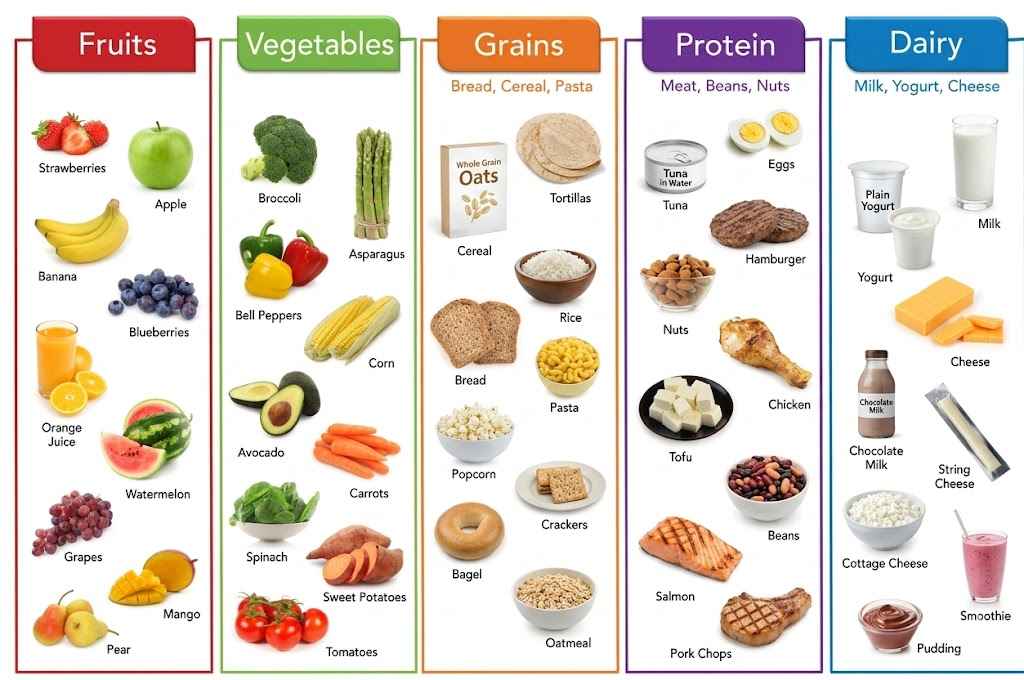
- Include a variety of food groups daily
Final Thoughts
Following a diet chart according to age is one of the most effective ways to maintain lifelong health. Each stage of life has unique nutritional needs, and meeting them can help prevent disease, improve energy, and support healthy aging.
Whether you are planning meals for children, yourself, or elderly family members, age-specific nutrition ensures better health outcomes at every stage of life.
Start today by making small, mindful changes in your diet—and build a foundation for a healthier, longer life.