

How to Train Effectively Without Getting Injured: A Complete Injury Prevention Guide

How can I train effectively without getting injured?
Training hard is important if you want to build strength, endurance, or muscle—but training smart is what keeps you progressing long-term. Many people fail not because they lack motivation, but because they get injured and are forced to stop.
This guide explains how to train effectively without getting injured, using proven principles of injury prevention, exercise science, and practical gym strategies.
Why Injury Prevention Matters in Training
Injury prevention is not optional—it is the foundation of consistent progress.
When you ignore it, you increase the risk of:
- Muscle strains and joint pain
- Overuse injuries
- Long recovery breaks
- Reduced performance and motivation
Even small injuries can interrupt your routine for weeks. On the other hand, smart prevention helps you train consistently and improve steadily.
The Benefits of Training Safely
When you prioritize injury-free training, you gain more than just safety:
- Better long-term progress
- Improved strength and mobility
- Faster recovery between workouts
- More consistent training results
- Lower risk of burnout
Simply put: the safer you train, the longer you can improve.
Prepare Your Body Before Every Workout
One of the most common causes of injury is skipping preparation.
1. Warm-Up Properly
A proper warm-up increases blood flow, raises body temperature, and prepares your muscles for work.
A good warm-up includes:
- 5–10 minutes of light cardio (walking, cycling, jogging)
- Gradual movement through full ranges of motion
This alone significantly reduces injury risk.
2. Use Dynamic Stretching (Not Static Stretching)
Before training, focus on movement-based stretching such as:
- Arm circles
- Leg swings
- Walking lunges
Dynamic stretching improves mobility and activates muscles for performance.
3. Improve Joint Mobility
Healthy joints move freely and safely under load.
Include mobility drills for:
- Hips
- Shoulders
- Ankles
Better mobility = better movement quality = lower injury risk.
Build a Strong Training Foundation
If your foundation is weak, injury risk increases over time.
1. Use Progressive Overload
Progressive overload means gradually increasing training difficulty through:
- Weight
- Reps
- Sets
But the key is progress slowly, not aggressively.
2. Follow a Balanced Program
A good training plan should include:
- Strength training
- Cardio or conditioning
- Mobility work
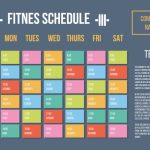
- Rest days
Muscle imbalances are one of the biggest causes of injury.
3. Train Core and Stability Muscles
A strong core protects your spine and improves movement control.
Helpful exercises include:
- Planks
- Dead bugs
- Single-leg movements
Stability training helps your body handle heavier loads safely.
Focus on Proper Form and Technique
Technique is more important than weight.
1. Learn Correct Movement Patterns
Good form ensures:
- Proper muscle activation
- Reduced joint stress
- Better long-term results
Never sacrifice form to lift heavier weights.
2. Maintain Good Posture
Poor posture under load increases injury risk, especially in:
- Squats
- Deadlifts
- Pressing movements
Keep your spine neutral and movements controlled.
3. Understand Exercise Mechanics
Knowing how an exercise works helps you avoid mistakes and imbalances.
For example, proper squatting requires:
- Knee tracking
- Hip alignment
- Core engagement
4. Use Mirrors or Video Feedback
Watching your form helps you:
- Correct mistakes quickly
- Improve technique awareness
- Prevent bad habits
Listen to Your Body
Your body always gives signals—learn to recognize them.
1. Know the Difference Between Pain and Discomfort
- Discomfort: normal muscle fatigue
- Pain: sharp or persistent signal of injury risk
Never ignore pain.
2. Avoid Overtraining
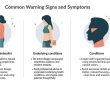
Warning signs include:
- Constant fatigue
- Poor performance
- Poor sleep
- Irritability
If this happens, reduce training intensity or take rest.
3. Rest and Recovery Are Essential
Muscles grow and repair during rest—not during workouts.
Good recovery includes:
- Sleep (7–9 hours)
- Rest days
- Light recovery sessions
Train Smarter with Proper Nutrition
Food plays a major role in injury prevention.
1. Eat Enough Protein
Supports muscle repair and recovery.
2. Stay Hydrated
Water helps:
- Joint lubrication
- Muscle function
- Temperature control
Dehydration increases injury risk.
3. Eat a Balanced Diet
A strong diet includes:
- Protein (chicken, fish, eggs, beans)
- Carbohydrates (rice, oats, potatoes)
- Healthy fats (nuts, olive oil, avocado)
Choose the Right Equipment
Using proper gear reduces unnecessary strain.
- Wear supportive shoes for your activity
- Use safe, well-maintained equipment
- Replace worn-out gear regularly
- Use protective equipment when needed
Adapt Training to Your Activity
Different sports require different injury prevention strategies:
- Weight training: focus on form and progressive overload
- Running: increase distance gradually and wear proper shoes
- Team sports: prioritize agility, balance, and warm-ups
- Cycling: ensure proper bike fit and posture
Work with Professionals When Needed
Sometimes expert guidance makes a big difference.
Consider:
- Personal trainers for form correction
- Physiotherapists for pain or injury recovery
- Coaches for structured programming
A small adjustment early can prevent long-term injury.
Common Mistakes That Lead to Injury
Avoid these frequent errors:
- Skipping warm-ups
- Lifting too heavy too soon
- Poor exercise form
- Training through pain
- Ignoring recovery
These mistakes are preventable with awareness and discipline.
Final Thoughts

Training effectively without injury is not about avoiding effort—it’s about balancing intensity with control.
If you want long-term progress:
- Train with good form
- Increase load gradually
- Recover properly
- Listen to your body
Consistency always beats intensity when safety is ignored.
Train hard—but train smart.