The secret to building muscle and losing fat: Combining proper exercise and nutrition.

The Secret to Building Muscle and Losing Fat: A Balanced Approach to Body Recomposition
The secret to building muscle and losing fat: Combining proper exercise and nutrition.
Introduction: Why Most Fitness Plans Fail Like “John’s Story”
Many people start their fitness journey with one goal: lose fat. Others want to build muscle. But most end up stuck in a cycle of extreme dieting, burnout, and inconsistent training—just like John, who trained hard every January only to quit by March.
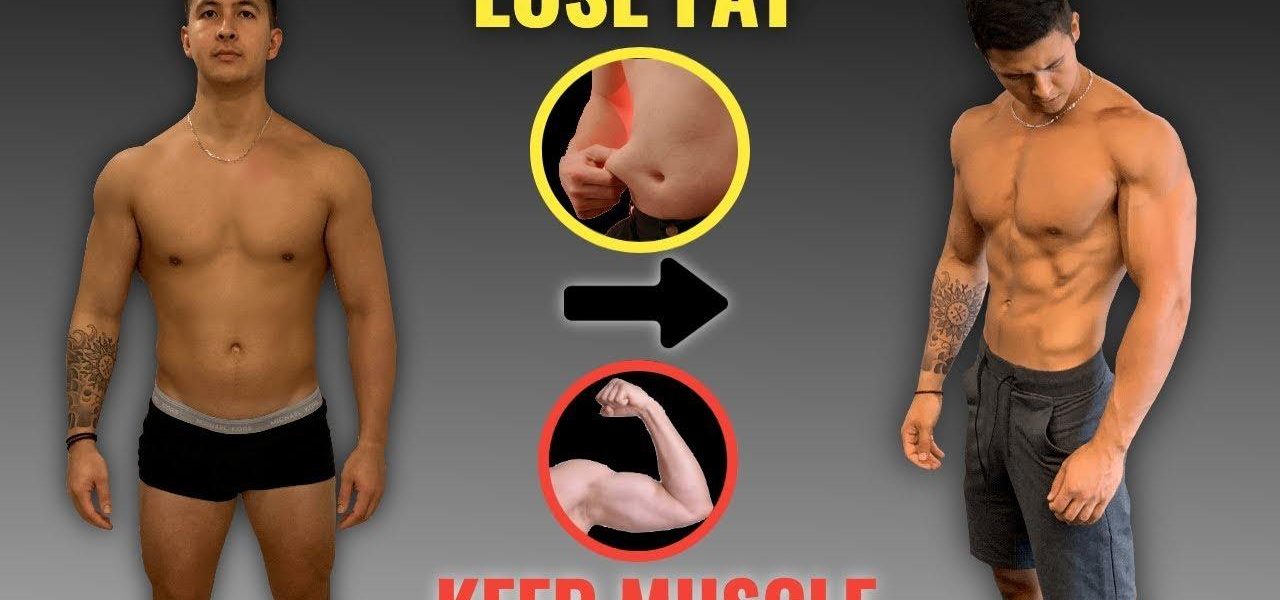
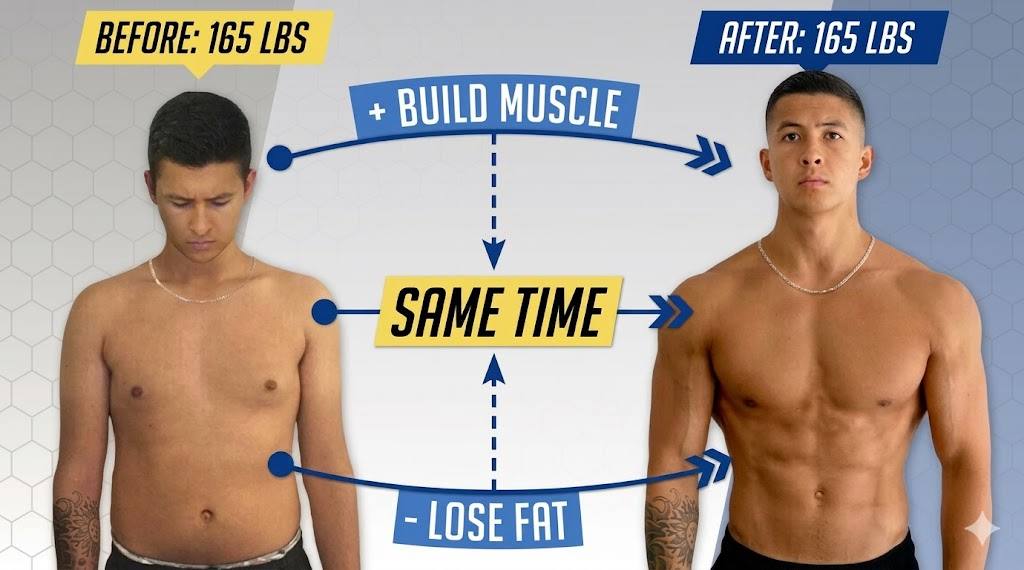
Everything changed when he learned a more effective approach: combining smart strength training with strategic nutrition. Instead of choosing between fat loss and muscle gain, he achieved both.
This process is known as body recomposition, and it is the real secret to transforming your physique sustainably.
What Is Body Recomposition?
Body recomposition is the process of losing fat while gaining muscle at the same time. While it was once believed that you had to choose one goal at a time, modern research shows that both can happen together—especially for:
- Beginners in strength training
- People returning after a break
- Individuals following structured training and nutrition plans
The key lies in balancing training stimulus, recovery, and nutrition.
The Science Behind Muscle Gain and Fat Loss
Can You Build Muscle While Losing Fat?
Yes—if your body receives the right signals.
Muscle growth depends on progressive resistance training, while fat loss depends on a controlled energy deficit. When combined correctly, your body can use stored fat for energy while building new muscle tissue.
This process is supported by muscle protein synthesis, the biological mechanism responsible for repairing and building new muscle fibers after training.
Why Strength Training Is Essential for Fat Loss
Many people rely only on cardio for weight loss, but this approach has limitations. A more effective strategy includes resistance training.
Exercises like squat, deadlift, and other compound movements stimulate multiple muscle groups at once, helping you:
- Build lean muscle mass
- Increase daily calorie expenditure
- Preserve muscle during fat loss
- Improve overall strength and body composition
A study published in the Journal of Strength and Conditioning Research found that people combining resistance training with a calorie deficit lost significantly more fat compared to cardio-only groups.
The Role of Nutrition in Body Recomposition
Training alone is not enough. Nutrition determines whether your body builds muscle or burns it for energy.
1. Protein: The Building Block of Muscle
Protein is essential for recovery and muscle growth. A general guideline is:
- 1.6–2.2g of protein per kg of body weight daily
This supports muscle repair and maximizes training results.
2. Calorie Control: Small Adjustments, Big Results
Extreme dieting often leads to muscle loss and fatigue. Instead, aim for:
- A 10–20% calorie deficit on average
- Slightly higher calories on training days
- Balanced energy intake on rest days
This approach supports both fat loss and performance.
3. Nutrient Timing Matters
Consuming protein within a few hours after training can enhance recovery and stimulate muscle growth more effectively.
Common Myths About Fat Loss and Muscle Gain
Myth 1: “Cardio Is the Only Way to Burn Fat”
While cardiovascular exercise helps burn calories, it does not preserve muscle effectively on its own. The best results come from combining cardio with strength training.
Myth 2: “You Must Eat Very Few Calories to Lose Fat”
Severe calorie restriction slows metabolism and leads to muscle loss. Sustainable fat loss comes from a controlled, moderate deficit—not starvation diets.
The Ideal Training Strategy for Body Recomposition
To maximize results, your program should include:
Compound Strength Exercises
Focus on multi-joint movements that build strength and muscle efficiently, such as:
- Squats
- Deadlifts
- Pressing and pulling movements
These exercises improve performance and accelerate body transformation.
Progressive Overload
To grow muscle, your body must be challenged over time. This means gradually increasing:
- Weight
- Repetitions
- Training volume
Without progression, results eventually stall.
Balanced Weekly Training
A mix of strength training and moderate cardio ensures:
- Fat loss efficiency
- Muscle preservation
- Improved recovery
- Long-term consistency
Tracking Progress the Smart Way
The scale alone does not reflect body recomposition. Better indicators include:
- Body measurements
- Strength improvements
- Progress photos
- Energy levels and recovery
These metrics show real transformation more accurately than weight alone.
Why Personalized Plans Work Better
A structured, personalized approach helps remove guesswork. Effective fitness coaching typically includes:
- Customized training programs based on your level
- Nutrition plans focused on protein intake and energy balance
- Regular progress tracking and adjustments
- Habit-building strategies for long-term success
This combination ensures consistency and prevents burnout.
Conclusion: You Don’t Have to Choose Between Muscle and Fat Loss
Muscle building and fat loss are not opposing goals—they work together when approached correctly.
By combining:
- Smart strength training (like squat and deadlift movements)
- A high-protein, controlled-calorie diet
- Proper recovery and consistency
You can achieve a leaner, stronger, and more athletic physique without extreme dieting or endless cardio.
Like John discovered, the real secret is not working harder—it’s working smarter.
Ready to Transform Your Body?

If you’re tired of guessing and want real, sustainable results, the next step is simple: follow a structured plan designed for both fat loss and muscle growth.
Your transformation starts with the right strategy.