
Summer vs. Winter Food: Key Differences You Should Know for Better Eating Choices
Summer vs. Winter Food: Differences You Should Know to Eat Properly
Introduction: Why Season Matters in What You Eat
Food doesn’t taste the same all year round—and neither do we.
In summer, we naturally crave light, refreshing meals that hydrate and cool the body. In winter, our appetite shifts toward warm, rich, and comforting dishes that provide energy and warmth. Understanding the differences between summer and winter food choices can help you eat more in tune with your body, improve digestion, and enjoy meals more fully throughout the year.
This guide breaks down the key differences between seasonal eating and how to adjust your diet properly for each season.
Why Seasonal Eating Is Important
Eating according to the season is not just a trend—it’s a natural biological response. Seasonal foods support:
- Body temperature regulation
- Nutritional needs based on climate
- Ingredient freshness and availability
- Better digestion and energy balance
When you eat seasonally, your meals feel more satisfying and aligned with how your body actually functions in different weather conditions.
The Core Difference: Summer vs. Winter Foods
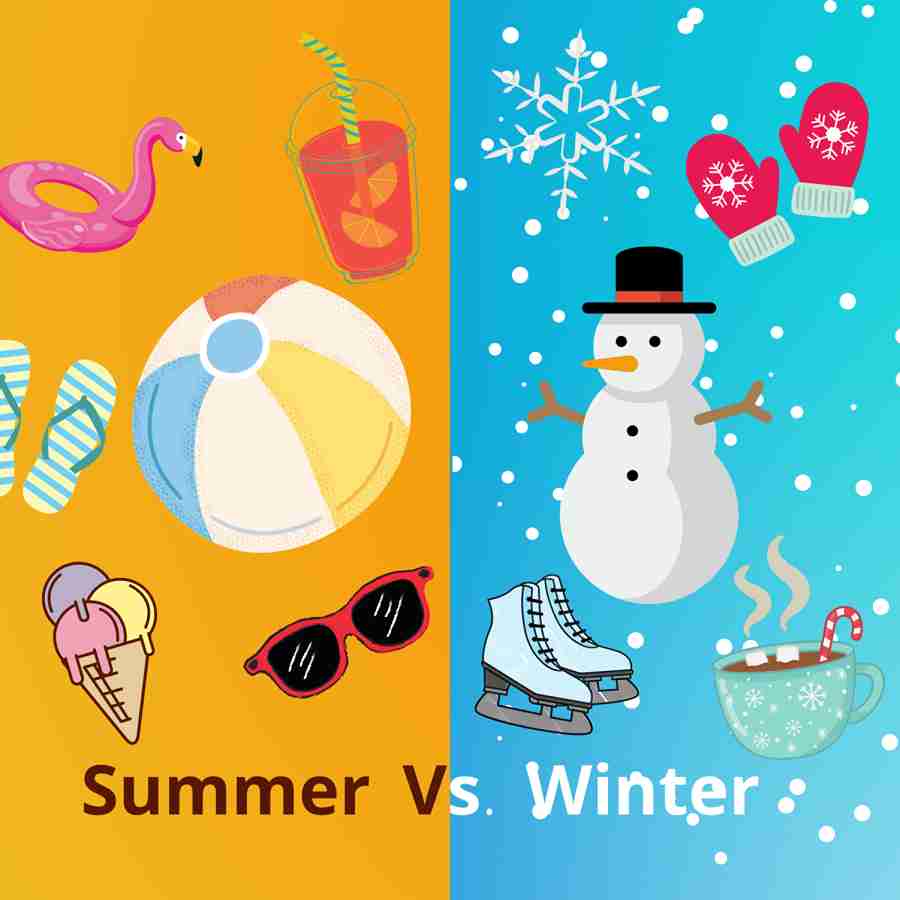
Summer Foods Focus On:
- Light and hydrating meals
- Fresh fruits and vegetables
- High water content ingredients
- Quick cooking methods (grilling, raw, steaming)
- Cooling properties
Winter Foods Focus On:
- Warm and energy-dense meals
- Slow-cooked and roasted dishes
- Root vegetables and grains
- Rich sauces and fats
- Comforting and hearty flavors
These differences are rooted in how the body responds to temperature and energy demands.
Summer Foods: Light, Fresh, and Hydrating
What Summer Eating Looks Like
Summer meals are designed to cool the body and maintain hydration. They are typically:
- Fresh or lightly cooked
- High in fruits and vegetables
- Low in heavy fats
- Bright and citrus-based
Common summer foods include:
- Salads
- Grilled fish and seafood
- Cold noodles
- Fresh fruit bowls
- Light vegetable dishes
Best Summer Ingredients
- Citrus fruits (lemon, orange, grapefruit)
- Leafy greens
- Cucumber and zucchini
- Berries and melons
- Fresh herbs (mint, basil, cilantro)
Summer Eating Benefits
- Improves hydration
- Supports digestion in hot weather
- Prevents heaviness and fatigue
- Encourages lighter calorie intake naturally
Winter Foods: Warm, Rich, and Nourishing
What Winter Eating Looks Like
Winter meals are designed to warm the body and provide long-lasting energy. They tend to be:
- Slow-cooked or roasted
- Higher in fats and protein
- Rich in flavor and spices
- Comforting and filling
Common winter foods include:
- Soups and stews
- Roasted meats
- Baked pasta dishes
- Mashed root vegetables
- Warm grains like rice and oats
Best Winter Ingredients
- Root vegetables (potato, carrot, sweet potato)
- Lentils and beans
- Whole grains (barley, oats, quinoa)
- Red meats and poultry
- Warm spices (cinnamon, clove, pepper)
Winter Eating Benefits
- Provides sustained energy
- Supports immunity during cold weather
- Improves satiety and comfort
- Helps maintain body warmth
Cooking Methods: Summer vs. Winter
Summer Cooking Methods
- Grilling
- Steaming
- Raw preparation
- Light sautéing
Winter Cooking Methods
- Slow cooking
- Roasting
- Baking
- Braising
The cooking method is just as important as ingredients when adapting to seasonal eating.
Hydration and Drinks: Seasonal Differences
Summer Drinks
- Cold water with citrus
- Iced herbal teas
- Fresh fruit juices (low sugar)
- Coconut water
Winter Drinks
- Warm herbal teas
- Ginger or cinnamon infusions
- Hot chocolate
- Warm lemon water
Temperature plays a key role in how your body processes drinks across seasons.
Transitional Seasons: Spring and Autumn
Between summer and winter, spring and autumn offer balance:
Spring:
- Fresh greens
- Light proteins
- Mild flavors
Autumn:
- Earthy vegetables
- Moderate richness
- Warm spices begin to appear
These seasons allow flexibility and gradual dietary changes.
Common Mistakes in Seasonal Eating
Avoid these mistakes for better balance:
- Eating heavy, rich food during hot summer days
- Drinking overly cold beverages in winter
- Ignoring seasonal ingredients
- Using the same diet year-round without adjustments
How to Eat Properly According to the Season
To align your diet with seasonal needs:
- Choose fresh, seasonal produce
- Adjust cooking methods based on temperature
- Match food heaviness with climate
- Stay hydrated in summer and nourished in winter
- Listen to your body’s natural cravings
Final Thoughts: Let the Season Guide Your Plate
Understanding the difference between summer and winter food is not about strict rules—it’s about awareness.
Summer encourages freshness, lightness, and hydration. Winter calls for warmth, comfort, and nourishment. When you align your eating habits with the seasons, food becomes more satisfying, balanced, and naturally healthy.
By simply adjusting what you eat throughout the year, you can improve digestion, energy levels, and overall well-being—without complicated diets or restrictions.