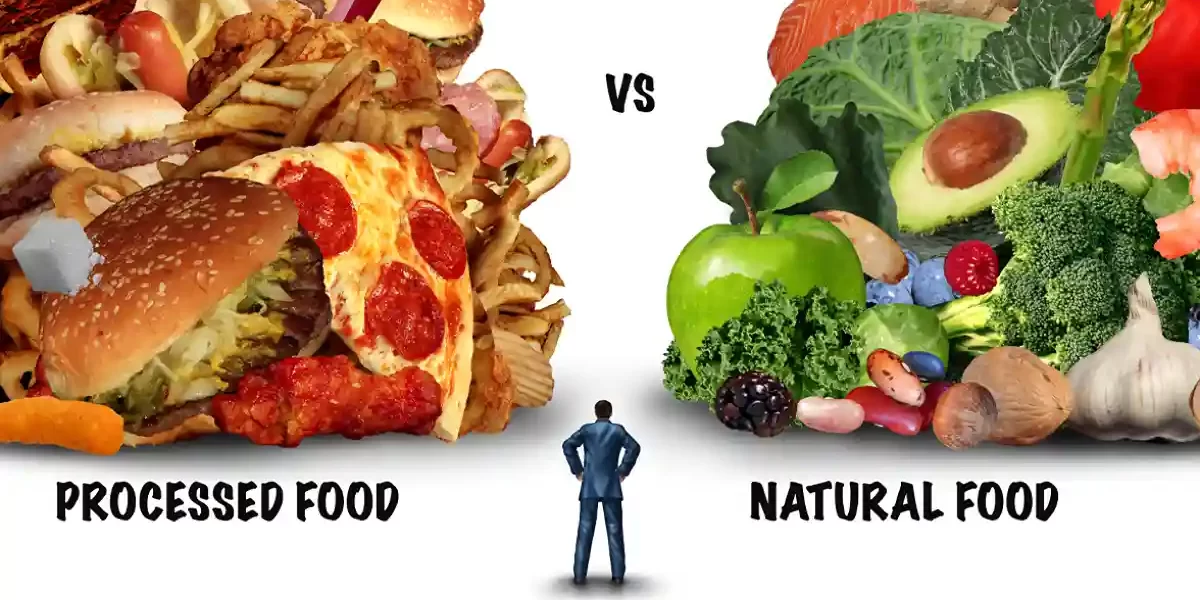

The Truth About Processed Foods and Your Health: What You Need to Know
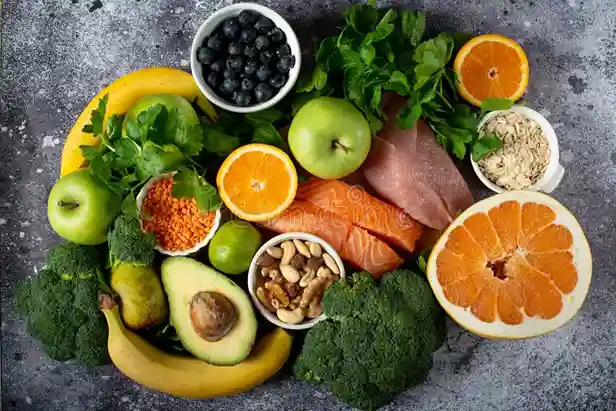
The Truth About Processed Foods You Need to Know
In today’s busy lifestyle, processed foods have become a daily convenience for millions of people. From ready-to-eat meals and packaged snacks to sugary drinks, these foods save time—but often at a cost to your health.
So, what is the real truth about processed foods? Are they all harmful, or can some still fit into a healthy diet? This comprehensive guide will help you understand the different types of processed foods, their health impacts, and how to make smarter choices.
What Are Processed Foods?
Processed foods are any foods that have been altered from their natural state. Not all processing is bad—some methods actually improve safety and shelf life.
Types of Processed Foods
1. Minimally Processed Foods
These include foods that undergo basic preparation like washing, freezing, or pasteurizing.
Examples: Frozen vegetables, canned beans, milk
These retain most of their nutrients and are generally healthy.
2. Moderately Processed Foods
These contain added ingredients like salt, sugar, or oils.
Examples: Flavored yogurt, nut butter, canned soups
Can be part of a balanced diet if consumed in moderation.
3. Ultra-Processed Foods (UPFs)
These are highly industrial products made with refined ingredients and additives.
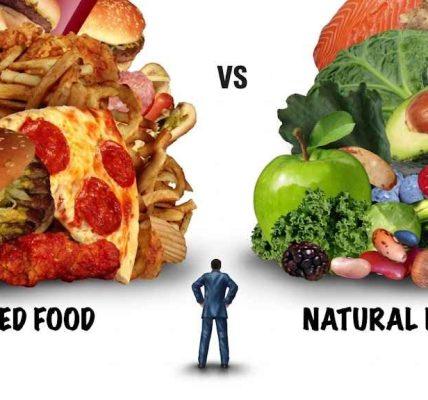
Examples: Instant noodles, soda, packaged snacks, processed meats, fast food
These pose the biggest health risks.
The Hidden Dangers of Ultra-Processed Foods
1. They Promote Overeating
Ultra-processed foods are designed to be extremely tasty by combining sugar, salt, and unhealthy fats. This overstimulates your brain’s reward system, making it easy to overeat—even when you’re full.
2. Increased Risk of Obesity and Metabolic Disorders
Studies show a strong link between ultra-processed food consumption and conditions like:
- Obesity
- Type 2 diabetes
- Metabolic syndrome
These foods are high in calories but low in nutrients, leading to weight gain and poor metabolic health.
3. Higher Risk of Heart Disease
Many processed foods contain:
- Trans fats
- Excess sodium
- Refined carbohydrates
These ingredients can raise blood pressure and cholesterol, increasing the risk of heart attacks and strokes.
4. Damage to Gut Health
Your gut microbiome plays a key role in digestion and immunity. Additives and preservatives in ultra-processed foods can disrupt this balance, leading to:
- Inflammation
- Digestive issues
- Weakened immunity
5. Negative Effects on Mental Health
Emerging research suggests a connection between diets high in processed foods and mental health issues such as:
- Depression
- Anxiety
Poor nutrition can affect brain function and increase inflammation.
6. Nutrient Deficiency
Processing often removes essential nutrients like:
- Fiber
- Vitamins
- Minerals
Even fortified foods may not provide nutrients as effectively as whole foods.
The Global Impact of Ultra-Processed Foods
Consumption of ultra-processed foods has increased dramatically worldwide. Countries like Spain, China, Mexico, and Brazil have seen a sharp rise in intake over recent decades.
This trend is linked to:
- Poor diet quality
- Increased chronic diseases
- Rising healthcare challenges
Experts emphasize the need for better food policies and increased access to fresh, whole foods.
How to Identify Ultra-Processed Foods
A simple rule:
If a product has more than 5 ingredients—especially ones you can’t pronounce—it’s likely ultra-processed.
Ingredients to Watch Out For
- High-fructose corn syrup
- Hydrogenated oils (trans fats)
- Artificial colors and flavors
- Preservatives
- MSG (monosodium glutamate)
- Refined sugars and flours
Always read labels carefully and don’t rely on marketing claims.
Benefits of Reducing Processed Foods
Cutting back on ultra-processed foods can lead to noticeable improvements in your health:
- More stable energy levels
- Better digestion
- Improved mood and mental clarity
- Healthier skin
- Easier weight management
- Lower risk of chronic diseases
Even small dietary changes can make a big difference over time.
Tips for Eating Less Processed Food
- Choose whole foods like fruits, vegetables, and whole grains
- Cook more meals at home
- Read ingredient labels carefully
- Limit sugary drinks and packaged snacks
- Replace processed snacks with natural alternatives
Conclusion
The truth about processed foods is simple: not all are harmful, but ultra-processed foods can significantly impact your health if consumed regularly.
By understanding the differences and making informed choices, you can reduce your risk of chronic diseases and improve your overall well-being. Start small—swap out one processed item a day for a whole food—and build healthier habits over time.
Your body will thank you for it.