
Food and Emotions: Understanding the Powerful Connection Between What You Eat and How You Feel
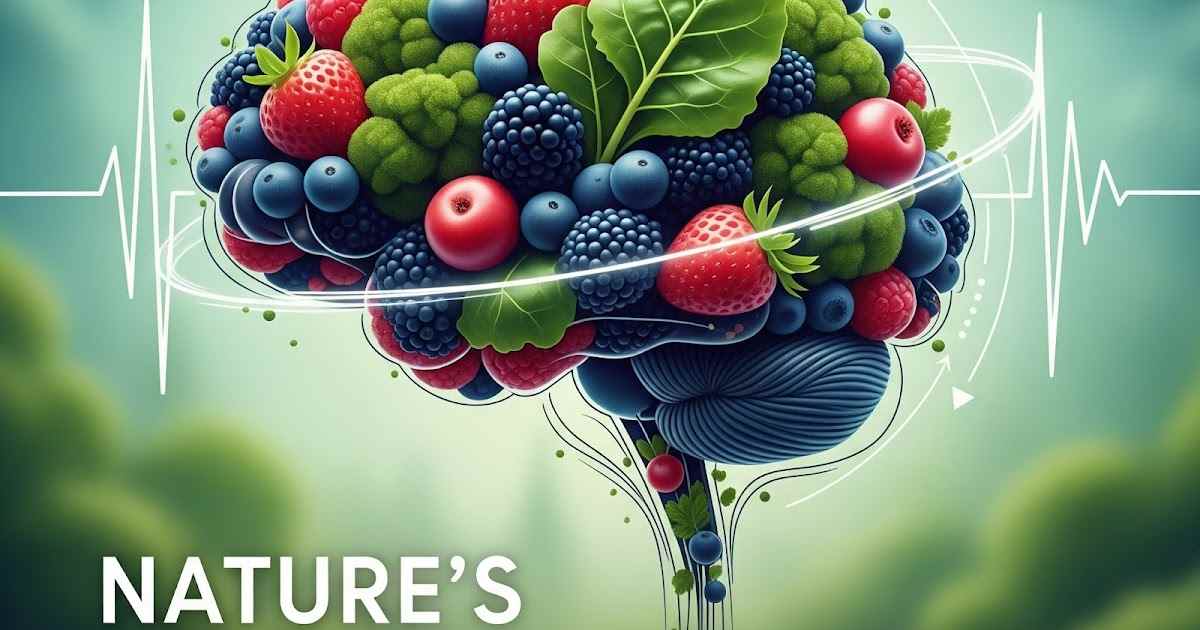
Food and emotions: A connection often overlooked in daily life
Introduction: The Hidden Link Between Food and Mood
The relationship between food and emotions is one of the most overlooked aspects of daily life. From comfort eating during stress to celebrating joyful moments with food, our emotions constantly shape what we eat—and what we eat, in turn, shapes how we feel.
This two-way connection is not just psychological. It is deeply biological, involving brain chemistry, hormones, and the complex communication system known as the Gut-brain axis. Understanding this relationship can help you build a healthier, more balanced approach to eating and emotional well-being.
The Science Behind Food and Emotions
Neurotransmitters: Your Brain’s Emotional Messengers
Your mood is heavily influenced by chemicals in the brain called neurotransmitters. Two of the most important are:
- Serotonin – often called the “feel-good” chemical
- Dopamine – responsible for motivation and reward
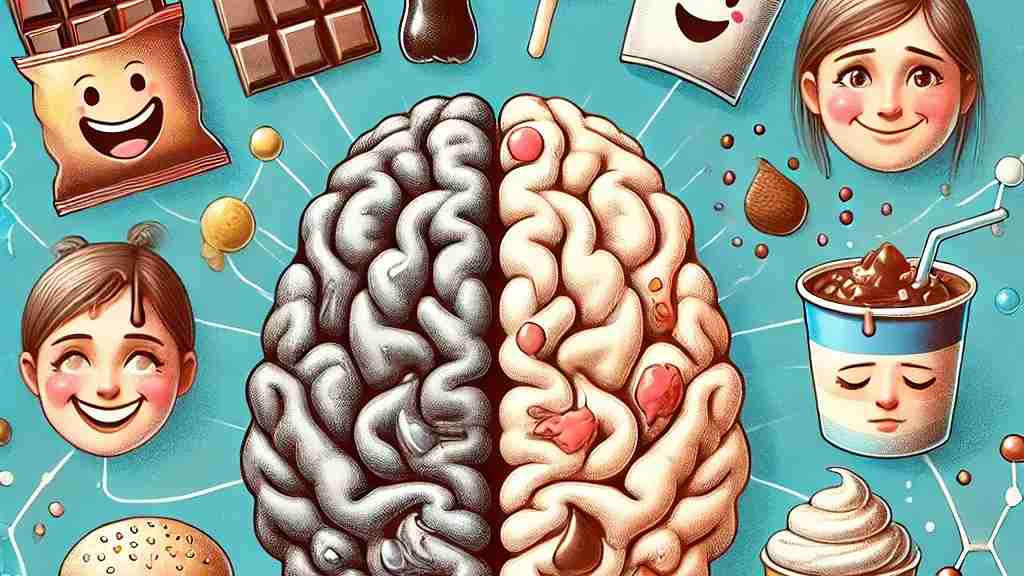
Certain foods can influence the production of these chemicals. For example, carbohydrate-rich meals may temporarily boost serotonin, while sugary or high-fat foods can trigger dopamine release—creating short-term pleasure but sometimes long-term emotional dependence.
This is why foods like chocolate, desserts, or fast food often feel “comforting” during emotional lows.
The Gut-Brain Connection: Your Second Brain
Your gut is home to trillions of bacteria that influence digestion, immunity, and even mood. This ecosystem communicates directly with the brain through the gut-brain axis.
A healthy gut—supported by fiber-rich foods, fruits, vegetables, and fermented products—can contribute to more stable mood and reduced anxiety. Meanwhile, highly processed diets may disrupt this balance and negatively affect emotional health.
Emotional Eating: When Feelings Control Food Choices
Emotional eating happens when food is used to manage feelings rather than physical hunger. It is one of the most common responses to stress, boredom, sadness, or even excitement.
Typical triggers include:
- Stressful work situations
- Relationship conflicts
- Loneliness or boredom
- Reward-seeking after achievements
While emotional eating can offer temporary relief, it often leads to guilt, overeating, and long-term unhealthy patterns.
Over time, this cycle can impact both physical health (weight gain, energy imbalance) and mental health (low self-esteem, anxiety).
How Emotions Influence Food Choices
Your emotional state can directly shape what you crave:
- Stress often increases cravings for high-calorie, sugary foods
- Sadness may lead to comfort foods like pasta, ice cream, or snacks
- Happiness encourages more balanced, mindful food choices
Cultural habits also play a role. Food is often tied to celebration, comfort, and social bonding, making emotional eating a deeply human experience.
Nutrition Strategies for Emotional Balance
1. Eat Mood-Supporting Nutrients
Certain nutrients help regulate emotional stability:
- Omega-3 fatty acids (fatty fish, walnuts)
- B vitamins (leafy greens, legumes)
- Complex carbohydrates (whole grains, vegetables)
These nutrients support brain function and help stabilize mood over time.
2. Practice Mindful Eating
Mindful eating means slowing down and paying attention to your food—its taste, texture, and how it makes you feel. This helps you reconnect with natural hunger signals and reduce emotional overeating.
3. Stay Hydrated and Balanced
Even mild dehydration can negatively affect concentration and mood. A balanced diet with enough water, fiber, and whole foods supports both emotional and physical health.
Breaking the Cycle of Emotional Eating
To build a healthier relationship with food and emotions, try these strategies:
Identify emotional triggers
Keep a simple journal of what you eat and how you feel.
Develop non-food coping tools
Instead of reaching for snacks, try:
- Walking
- Deep breathing
- Journaling
- Talking to someone
Practice self-compassion
Slip-ups are normal. Awareness and consistency matter more than perfection.
Build structured eating habits
Regular meals reduce impulsive eating and help stabilize blood sugar and mood.
Building a Healthier Relationship With Food
Food should nourish both your body and your emotional well-being—not control it. By understanding the link between emotions and eating habits, you can begin to make more conscious choices.
Instead of reacting automatically to feelings, you can pause and ask:
“Am I physically hungry, or am I emotionally reacting?”
This simple awareness can transform your relationship with food over time.
Conclusion: Food Is More Than Fuel
The connection between food and emotions is deeply rooted in biology, psychology, and culture. It is shaped by brain chemistry, gut health, and everyday life experiences.
By understanding this connection, you can:
- Reduce emotional eating
- Improve mood stability
- Build healthier habits
- Strengthen your overall well-being
Food is not just fuel—it is information for your body and your emotions.
When you learn to listen to both, you take a powerful step toward a more balanced, mindful, and fulfilling life.