
Secrets to Choosing Fresh, Delicious, and Safe Food Every Day: Healthy Grocery Shopping 101
Secrets to Choosing Fresh, Delicious, and Safe Food Every Day
Meta Description (SEO):
Learn how to choose fresh, healthy, and safe food every day with smart grocery shopping tips. Discover how to read food labels, pick nutritious ingredients, and shop on a budget.
Introduction: Why Smart Grocery Shopping Matters
Before starting a healthier lifestyle, grocery shopping often feels overwhelming. With endless product choices, confusing food labels, and marketing tricks on packaging, it can be difficult to know what is truly healthy.
Many people also believe that eating well is expensive or complicated. As a result, they end up choosing convenient but less nutritious foods.
The truth is: healthy eating starts at the grocery store.
Once you understand how to read labels, choose fresh ingredients, and shop strategically, grocery shopping becomes simple, affordable, and even enjoyable.
This guide will show you how to confidently choose fresh, delicious, and safe food every day.
Understanding Food Labels: The First Step to Smart Shopping
1. Read the Ingredients List Carefully
The ingredients list tells you exactly what is inside a product. A simple rule applies: the shorter and more natural, the better.
What to look for:
- Whole foods listed first (e.g., oats, nuts, vegetables)
- Simple and recognizable ingredients
- Minimal additives and preservatives
What to avoid:
- Long chemical-sounding ingredient lists
- Hidden sugars (corn syrup, sucrose, glucose, etc.)
- Artificial flavors and preservatives
If you cannot recognize most ingredients, the product is likely highly processed.
2. Check the Nutrition Facts Panel
The nutrition label helps you understand what you are really eating.
Key things to focus on:
Calories:
Helps manage daily energy intake and portion control.
Fats:
Avoid high levels of saturated and trans fats, which can affect heart health.
Sugar:
Watch for added sugars hidden in packaged foods.
Sodium:
High sodium intake may contribute to high blood pressure.
3. Understand Serving Sizes
Serving size often confuses shoppers.
Important tips:
- Nutrition info is based on one serving—not the whole package
- If you eat more, you consume more calories and nutrients than listed
- Always compare serving size to your actual portion
Understanding this prevents unintentional overeating.
How to Choose Healthy Foods in the Store
1. Fresh Produce Section: Build a Healthy Foundation
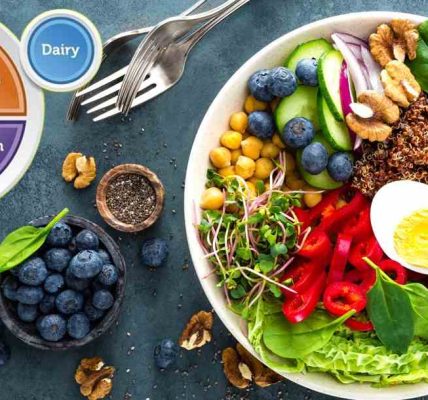
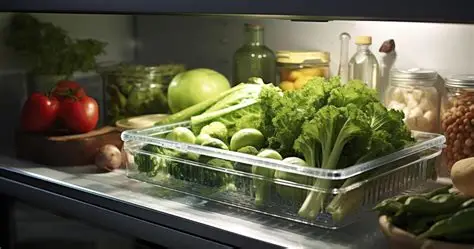
Fresh fruits and vegetables are rich in vitamins, minerals, and antioxidants.
Smart choices include:
- Eat a variety of colors (green, red, yellow, purple)
- Choose seasonal produce for better price and taste
- Buy local when possible for freshness
- Use frozen fruits and vegetables for convenience and nutrition
A colorful plate means a more nutrient-rich diet.
2. Choose Lean and Plant-Based Proteins
Protein supports muscle growth, energy, and overall health.
Healthy options:
- Beans and lentils
- Tofu and tempeh
- Eggs and fish (if not plant-based)
Cooking tips:
- Grill, steam, or bake instead of frying
- Use healthy oils like olive oil
- Avoid heavy processed sauces
Plant-based proteins are often high in fiber and low in unhealthy fats.
3. Choose Whole Grains Instead of Refined Grains
Whole grains provide energy, fiber, and essential nutrients.
Better choices:
- Brown rice instead of white rice
- Whole wheat bread instead of white bread
- Oats and quinoa for breakfast and meals
Benefits:
- Longer-lasting energy
- Better digestion
- Improved heart health
Always check labels for “100% whole grain”.
4. Smart Dairy and Dairy Alternatives
Dairy or plant-based alternatives can support bone health when chosen correctly.
Options:
- Low-fat or fat-free dairy products
- Almond, soy, or oat milk
- Fortified plant-based milk (with calcium and vitamin D)
These options support lactose-free and plant-based diets.
5. Include Healthy Fats in Your Diet
Healthy fats are essential for brain and heart health.
Best sources:
- Avocados
- Nuts and seeds (almonds, walnuts, chia seeds)
- Olive oil
How to use them:
- Add avocado to toast or salads
- Snack on nuts in moderation
- Use olive oil for cooking and dressing
Smart Grocery Shopping Strategies on a Budget
1. Plan Your Meals in Advance
Meal planning helps you:
- Save time
- Avoid impulse buying
- Stick to healthy choices
Create a simple weekly menu and shopping list before going to the store.
2. Shop the Store Perimeter
Most fresh foods are located around the edges of the supermarket.
You’ll find:
- Fruits and vegetables
- Fresh meats and proteins
- Dairy and alternatives
Avoid spending too much time in processed food aisles.
3. Compare Prices Wisely
Being a smart shopper means balancing nutrition and budget.
Tips:
- Try store-brand products
- Compare price per unit
- Focus on nutritional value, not just price
Sometimes higher-quality food is worth the investment.
4. Buy in Bulk When Possible
Bulk buying can save money on:
- Rice
- Oats
- Pasta
- Nuts
- Frozen foods
This reduces cost and minimizes frequent shopping trips.
5. Use Loyalty Programs and Discounts
Many stores offer:
- Digital coupons
- Membership discounts
- Reward points
Using these programs can significantly reduce grocery expenses over time.
Building a Healthy Grocery Mindset
Healthy grocery shopping is not about perfection—it’s about making better choices consistently.
Key habits to develop:
- Read labels before buying
- Choose whole foods over processed foods
- Plan ahead instead of shopping randomly
- Stay within your budget without sacrificing nutrition
Over time, these small habits create a healthier lifestyle.
Conclusion: Shop Smarter, Eat Better, Live Healthier
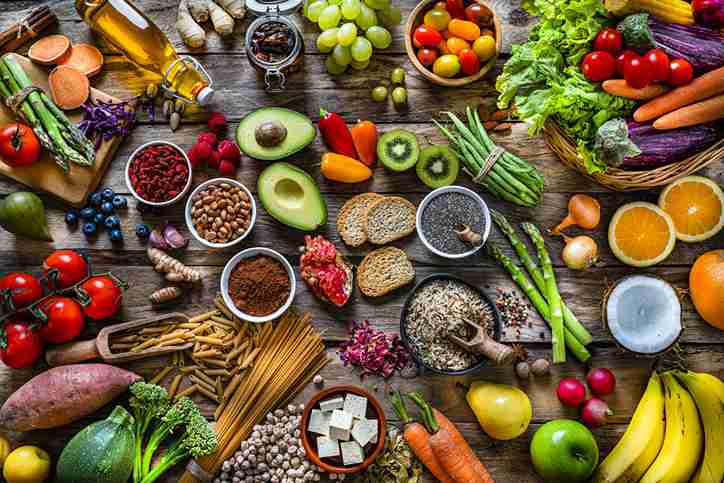
Choosing fresh, safe, and nutritious food starts with awareness and simple strategies. Once you understand how to read labels, pick whole foods, and shop smartly, healthy eating becomes much easier and more sustainable.
You don’t need to completely change your diet overnight. Instead, focus on small improvements every time you shop.
Remember:
Every grocery trip is an opportunity to improve your health.
Start with better choices today, and your body will thank you in the long run.