
How Does Daily Food Affect Your Mood? A Science-Backed Guide
How Does Daily Food Affect Your Mood?
Have you ever noticed how your mood changes depending on what you eat? One day you feel energized and focused, while another day you feel sluggish or irritable. That’s not a coincidence—your daily diet plays a major role in your mental health.
In this SEO-optimized blog, we’ll explore how food affects your mood, the science behind it, and practical tips to help you feel better through smarter eating habits.
The Link Between Food and Mood
What you eat doesn’t just impact your physical health—it directly influences your brain function, energy levels, and emotional well-being.
Research shows a strong connection between:
- Diet quality
- Gut health
- Brain chemistry
- Mood and energy levels
A balanced diet can help you feel happier, calmer, and more focused, while poor eating habits may contribute to mood swings and fatigue.
How Nutrition Affects Mental Health
Several biological processes explain how food impacts your mood.
1. Inflammation and Brain Function
Certain foods can increase inflammation in the body, which may disrupt brain chemicals like:
- Serotonin (happiness hormone)
- Dopamine (motivation and reward)
Chronic inflammation is linked to mood disorders such as depression and anxiety.
Tip: Eat anti-inflammatory foods like fruits, vegetables, and healthy fats.
2 Blood Sugar Levels and Mood Swings
Foods high in sugar and refined carbs cause rapid spikes and crashes in blood sugar levels.
This can lead to:
- Irritability
- Fatigue
- Mood swings
Tip: Choose foods that stabilize blood sugar, such as whole grains and protein-rich meals.
3. Gut Health and the Brain
Your gut is often called your “second brain.” It contains trillions of bacteria that influence mood and mental health.
A healthy gut microbiome can:
- Improve mood
- Support brain function
- Reduce anxiety
Tip: Eat fiber-rich foods and probiotics to support gut health.
Foods That Can Improve Your Mood
1. Fruits and Vegetables
These are rich in antioxidants and plant compounds that support brain health.
Benefits:
- Boost serotonin and dopamine
- Reduce inflammation
- Improve overall mood
Aim for at least 5 servings per day.
2. Whole Foods
Whole foods are minimally processed and rich in nutrients.
Examples:
- Whole grains
- Lean proteins
- Nuts and seeds
They provide steady energy and help maintain emotional balance.
3. Coffee and Tea
Both coffee and tea can enhance mood by stimulating the release of dopamine.
Benefits:
- Improve alertness
- Enhance focus
- Boost mood
Drink in moderation to avoid anxiety or sleep issues.
Foods That Negatively Affect Mood
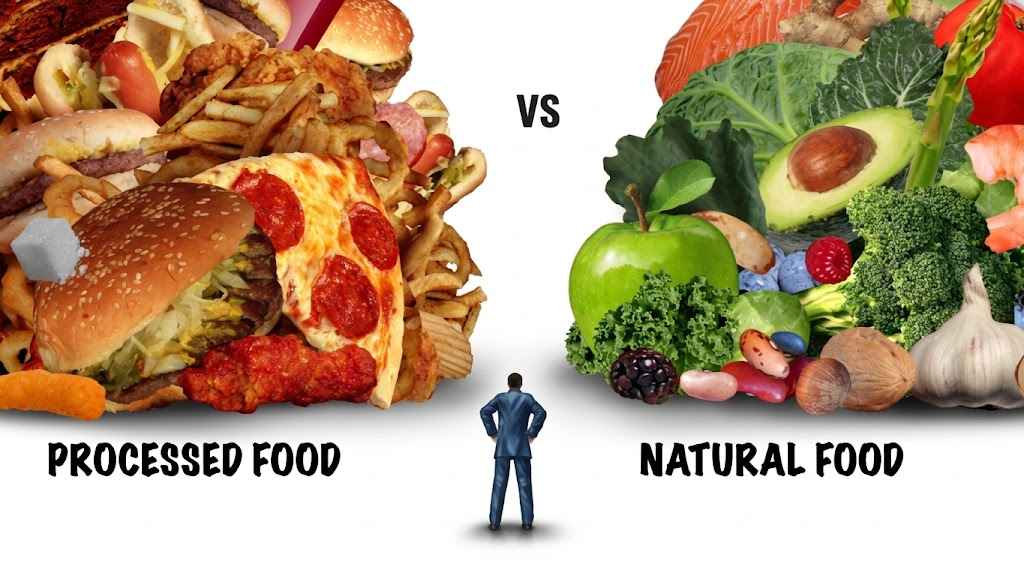
Ultra-Processed Foods
Highly processed foods often contain:
- Added sugars
- Artificial ingredients
- Low nutritional value
These can:
- Increase inflammation
- Disrupt gut health
- Raise the risk of depression
Limit fast food, sugary snacks, and packaged meals.
Practical Tips to Improve Mood Through Diet
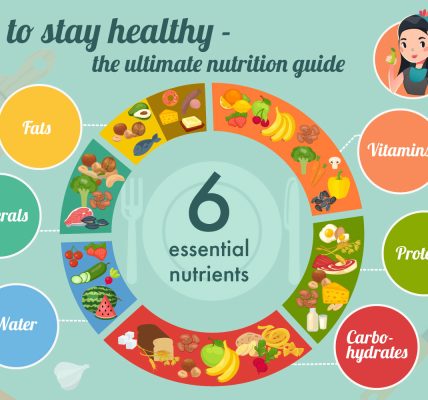
1. Eat More Whole Foods
Focus on foods that are close to their natural state.
2. Balance Your Meals
Include a mix of:
- Protein
- Healthy fats
- Complex carbohydrates
This helps maintain stable energy levels.
3. Stay Hydrated
Dehydration can affect mood and concentration.
4. Limit Sugar and Processed Foods
Reduce intake of foods that cause energy crashes.
5. Keep a Food Journal
Tracking what you eat can help you understand how your diet affects your mood.
What to track:
- What and when you eat
- Your energy levels
- Your mood throughout the day
This can help you identify patterns and make better choices.
How Eating Habits Also Matter
It’s not just what you eat, but also how and when you eat:
- Skipping meals can lead to low energy and irritability
- Eating late at night may affect sleep quality
- Mindful eating improves digestion and satisfaction
Conclusion

Your daily food choices have a powerful impact on your mood and mental health. By focusing on whole, nutrient-rich foods and reducing ultra-processed options, you can improve not only your physical health but also your emotional well-being.
Start small—add more fruits and vegetables, balance your meals, and pay attention to how food makes you feel. Over time, these simple changes can lead to a happier, healthier life.