
Why Natural Food Is Always Encouraged in Modern Nutrition: A Complete Guide
Why is natural food always encouraged in modern nutrition?
Introduction: The Return to Real Food
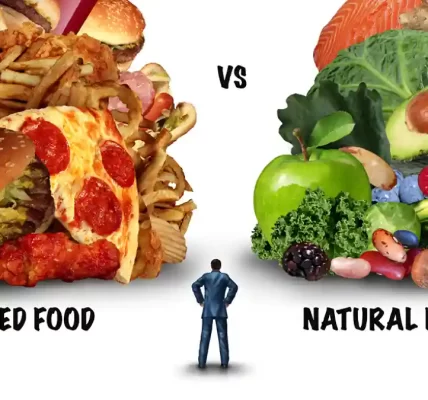
In modern nutrition, one principle consistently stands out—eat more natural foods and fewer processed products. From dietitians to health organizations, the recommendation is the same: prioritize foods in their most natural, unprocessed form.
But why is natural food so strongly encouraged today?
The answer lies in its powerful connection to better health, improved energy, disease prevention, and long-term well-being. In this guide, we explore what a natural food diet is, why it matters, and how to adopt it in everyday life.
What Is a Natural Food Diet?
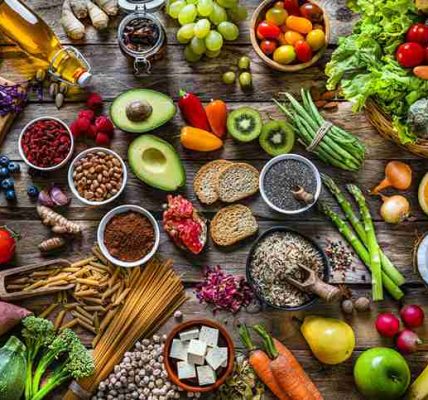
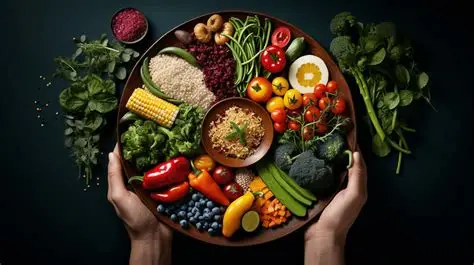
A natural food diet focuses on eating foods that are as close to their original form as possible, with minimal processing and no artificial additives.
Key components include:
- Whole fruits and vegetables – rich in fiber, vitamins, and antioxidants
- Whole grains – such as brown rice, quinoa, and oats
- Lean proteins – fresh fish, poultry, eggs, and plant-based proteins
- Nuts, seeds, and legumes – natural sources of healthy fats and protein
The goal is simple: nourish the body with real, unrefined food instead of industrially processed products.
Why Natural Food Is Strongly Encouraged in Nutrition
Modern nutrition science consistently supports natural food consumption because of its wide-ranging health benefits.
1. Improves Gut Health
Natural foods are rich in dietary fiber, which supports a healthy gut microbiome. A balanced gut:
- Improves digestion
- Enhances nutrient absorption
- Strengthens immunity
Foods like garlic, vegetables, legumes, and fruits act as prebiotics, feeding beneficial gut bacteria.
2. Supports Healthy Weight Management
Natural foods are typically:
- Lower in calories
- Higher in fiber
- More filling
This helps reduce overeating and supports sustainable weight loss without extreme dieting.
3. Helps Control Blood Sugar
Unlike processed snacks, natural foods have a lower glycemic impact. This means:
- More stable blood sugar levels
- Reduced risk of type 2 diabetes
- Better long-term metabolic health
Studies show that diets rich in whole foods significantly lower the risk of chronic disease.
4. Promotes Heart Health
A natural food diet supports cardiovascular health by:
- Reducing bad cholesterol
- Lowering blood pressure
- Decreasing inflammation
Foods like olive oil, nuts, fruits, and vegetables are especially beneficial for heart function.
5. May Reduce Cancer Risk
While no food guarantees prevention, diets rich in natural plant-based foods are linked to lower cancer risk due to:
- High antioxidant content
- Anti-inflammatory compounds
- Better cellular protection
6. Boosts Energy and Mental Clarity
Natural foods provide steady energy throughout the day. Unlike processed foods, they:
- Prevent energy crashes
- Improve focus
- Support better cognitive function
Nutrients like magnesium, iron, and B vitamins also help reduce fatigue and improve mood stability.
7. Strengthens Bones, Skin, and Immunity
Natural foods provide essential nutrients such as:
- Calcium and vitamin D for bone strength
- Vitamin C and antioxidants for skin health
- Zinc and iron for immune support
This contributes to healthier aging and overall vitality.
Why Nutrition Experts Prefer Natural Foods
Modern dietary guidelines emphasize natural foods because they:
- Reduce exposure to additives and preservatives
- Improve long-term disease prevention
- Support sustainable eating habits
- Encourage balanced nutrition without restriction
In short, natural food is not a trend—it is a foundation of healthy living.
How to Start Eating More Natural Foods
Transitioning to a natural food lifestyle doesn’t need to be difficult. Small steps can make a big difference.
Practical tips:
- Add more fruits and vegetables to every meal
- Choose whole grains instead of refined carbs
- Cook more meals at home
- Read ingredient labels carefully
- Avoid products with artificial additives
- Shop for fresh produce regularly
- Stay hydrated with water instead of sugary drinks
Simple Natural Food Meal Ideas
Breakfast
Oatmeal topped with fresh berries and natural yogurt
Lunch
Quinoa salad with avocado, cucumber, tomatoes, and olive oil dressing
Dinner
Grilled chicken with roasted sweet potatoes and steamed vegetables
Snacks
Nuts, fruits, or peanut butter with dates
Natural Food and the Environment
Choosing natural foods doesn’t just benefit your health—it also supports the planet:
- Encourages sustainable farming practices
- Reduces reliance on ultra-processed food systems
- Supports local and seasonal agriculture
- Lowers environmental impact
Modern food trends show a growing shift toward organic, plant-based, and minimally processed diets worldwide.
Common Questions About Natural Foods
Is natural food healthier than processed food?
Yes. Natural foods are richer in nutrients and contain fewer harmful additives.
Can I lose weight with a natural food diet?
Yes. High fiber and nutrient density help control appetite and support healthy weight loss.
Is it expensive to eat natural foods?
Not necessarily. Seasonal produce, grains, and legumes are affordable and nutritious options.
Conclusion: Why Natural Food Matters More Than Ever
Natural food is strongly encouraged in modern nutrition because it represents the most effective way to support long-term health. It improves digestion, boosts energy, reduces disease risk, and promotes overall well-being.
More importantly, it helps rebuild a healthier relationship with food—one based on simplicity, quality, and balance.
If you want to improve your lifestyle, start small: choose real food, eat mindfully, and prioritize nature over processing.